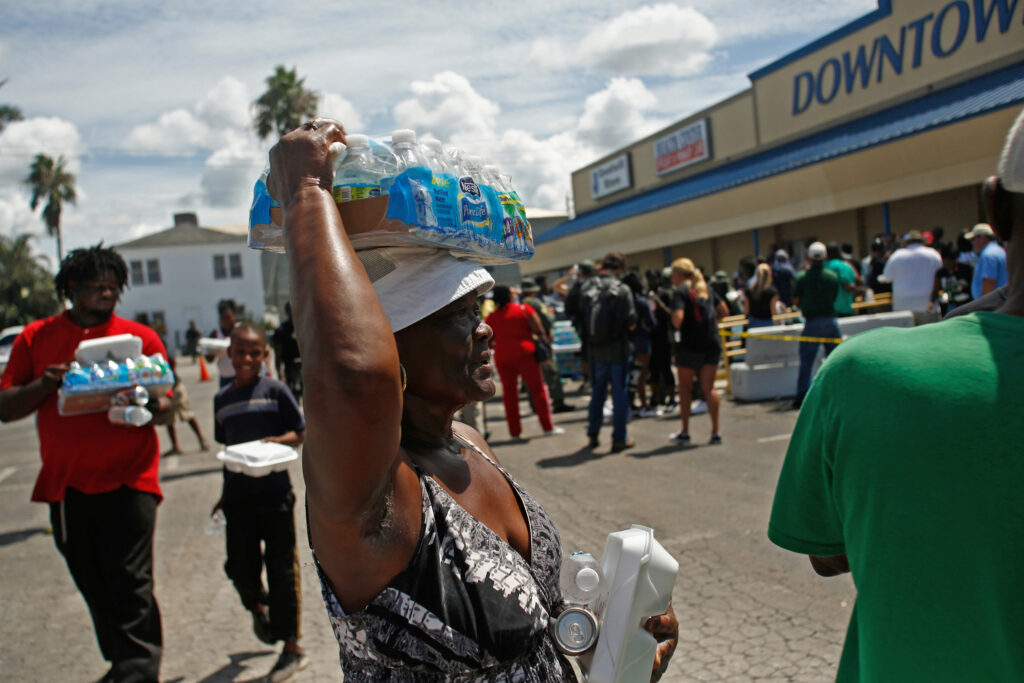
Belle Glade, a majority-Black farmworker community in south Florida with poverty rates among the state's highest, cannot access the largest federal program designed to repair crumbling drinking water infrastructure.
The city sits on the southern edge of Lake Okeechobee in one of Florida's poorest regions, where residents have long struggled with inconsistent access to clean drinking water. Yet when Belle Glade pursued funding through the primary federal mechanism for water system repairs, administrators rejected the application on technical grounds unrelated to need or capacity.
The obstacle reveals a structural barrier embedded in how the federal government distributes water infrastructure dollars. Programs prioritize municipalities that can demonstrate engineering sophistication and financial capacity to manage complex grants. Belle Glade lacks both the staffing and budgetary depth required to navigate competitive federal processes designed for better-resourced jurisdictions.
This mismatch between poverty and aid eligibility mirrors broader patterns in environmental justice. Communities most burdened by water contamination, lead pipes, and aging treatment facilities often lack the expertise and funding required to secure the grants meant to fix these problems.
Lake Okeechobee's proximity to Belle Glade compounds water challenges. Agricultural runoff flowing into the lake raises nutrient loads and contamination risks. Residents depend on municipal systems already stressed by aging infrastructure and underfunding. Clean water remains intermittent rather than guaranteed.
Federal water funding mechanisms, including grants through the Environmental Protection Agency and Department of Agriculture, theoretically target low-income communities. However, application requirements demand technical documentation, environmental impact assessments, and project management capacity that poor municipalities cannot always provide. The grants themselves often require local cost-sharing, placing additional barriers before economically vulnerable populations.
Belle Glade's exclusion from major federal aid illustrates how poverty alone fails to guarantee access to environmental remedies. The poorest cities face the greatest water risks yet confront the highest