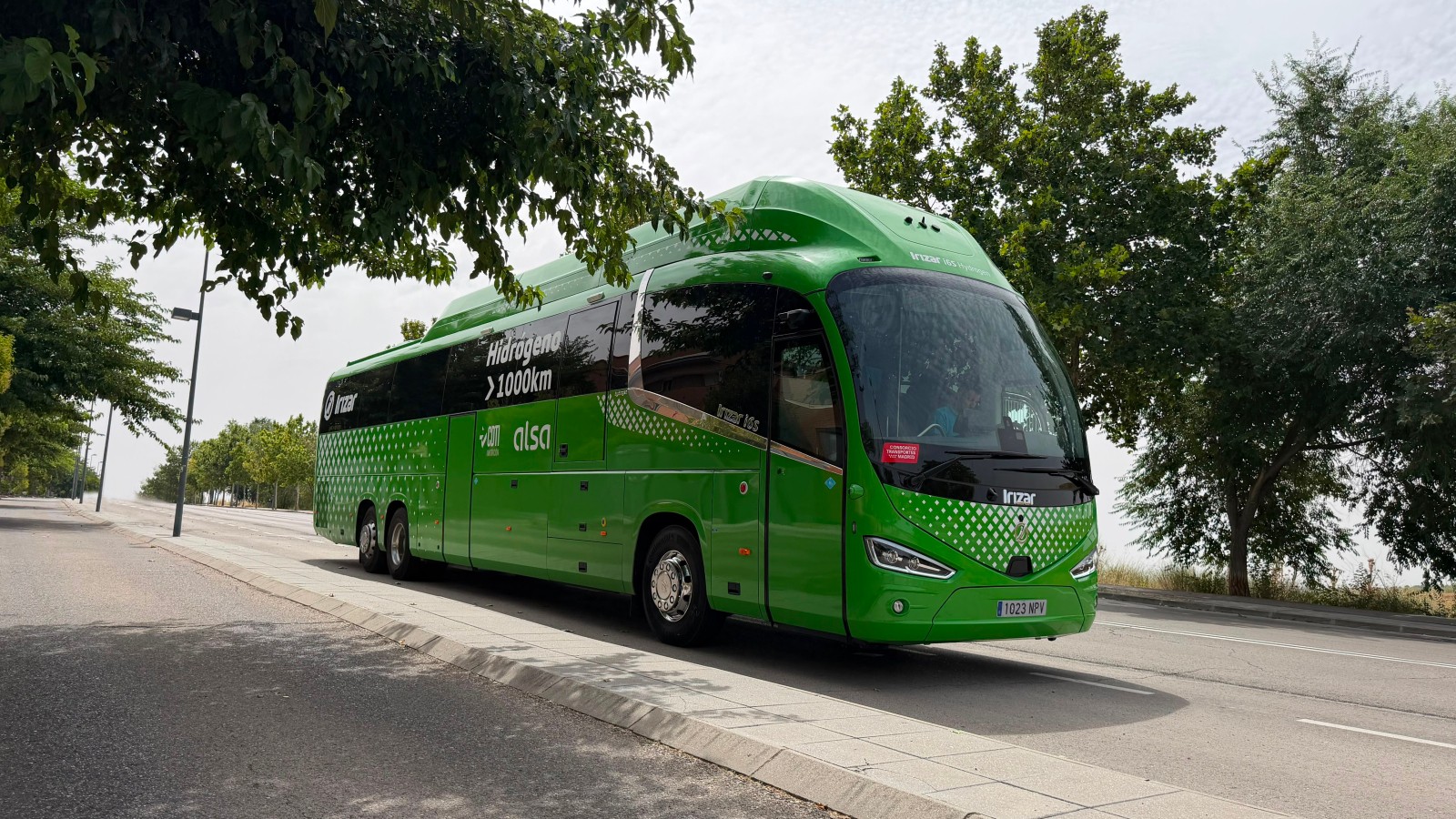
Fuel cell trucks and buses produce zero tailpipe emissions, but the industry faces a critical bottleneck: insufficient supplies of green hydrogen to power them at scale.
Hydrogen fuel cell vehicles use electrochemical reactions between hydrogen and oxygen to generate electricity, emitting only water vapor. This makes them attractive for heavy-duty transport, where battery electric solutions face weight and range constraints. However, most hydrogen produced globally comes from steam methane reforming of natural gas, a process that generates 9 to 12 tons of carbon dioxide per ton of hydrogen produced. Only about 5 percent of global hydrogen output qualifies as "green," made through electrolysis powered by renewable electricity.
The deployment challenge is real. Daimler, Hyundai, and Toyota have fuel cell trucks and buses in pilot programs across Europe and North America. Several transit agencies have ordered hydrogen buses, betting on the technology for long-haul routes where diesel dominates. Yet without scaling green hydrogen production, these vehicles simply shift emissions upstream to the electrolysis process itself, undermining their climate benefit.
Green hydrogen production requires massive renewable energy capacity. Electrolyzers consume roughly 9 kilowatt-hours of electricity to produce one kilogram of hydrogen. Building enough electrolysis infrastructure to replace even a fraction of fossil fuel hydrogen demands billions in capital investment and priority access to wind and solar generation.
Policy support remains inconsistent. The U.S. Inflation Reduction Act offers $3 per kilogram tax credits for clean hydrogen meeting emissions thresholds, but production remains limited. Europe's hydrogen strategy targets 10 million tons of green hydrogen annually by 2030, though current output trails far behind. Japan and South Korea are investing in hydrogen infrastructure, but domestic production lags demand.
Fuel cell truck deployments will proceed incrementally. Companies are targeting niche routes where refueling infrastructure already exists or