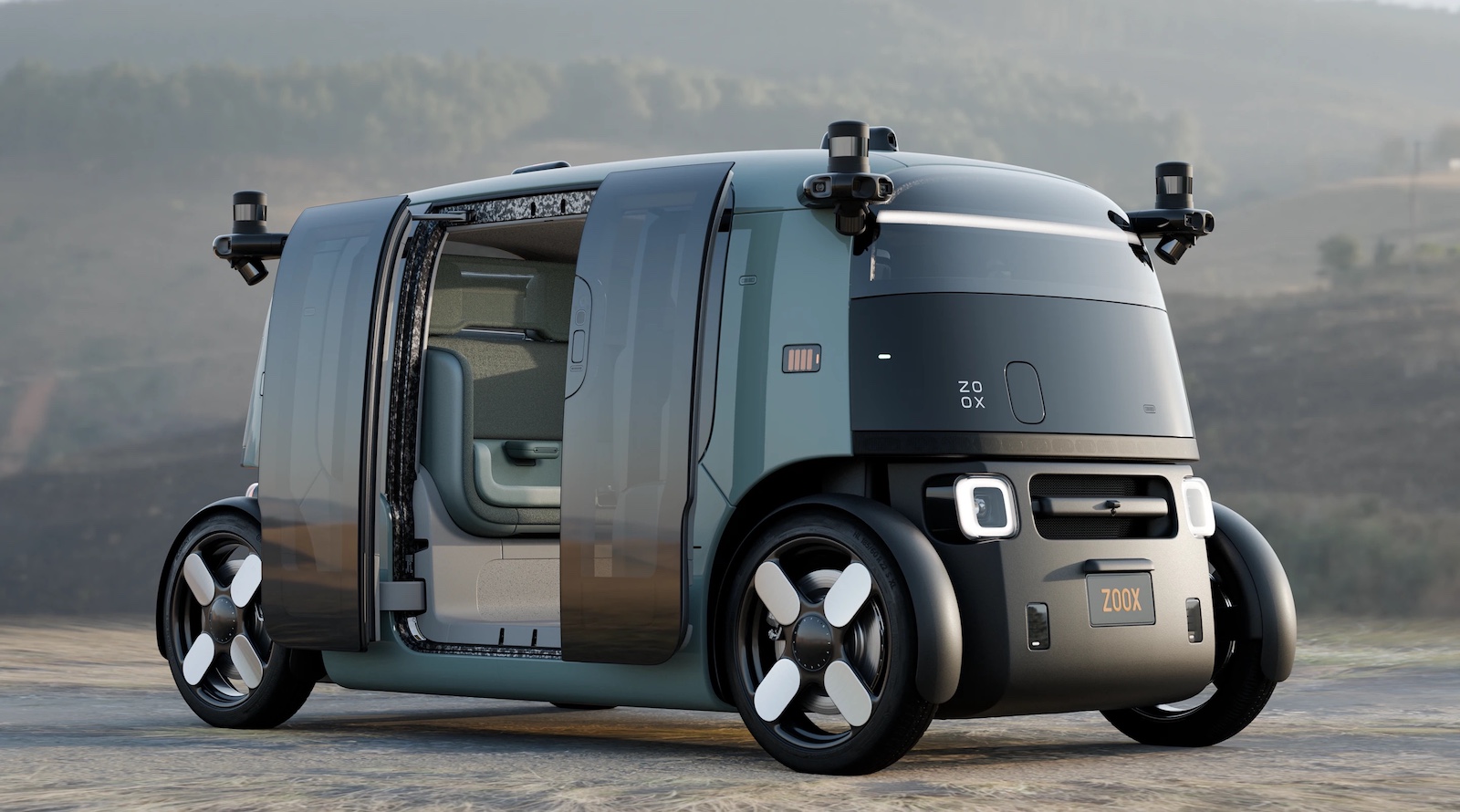
Amazon's Zoox subsidiary received the first U.S. regulatory approval to operate paid robotaxis without human controls. The National Highway Traffic Safety Administration (NHTSA) granted the approval, marking a regulatory shift from existing robotaxi services.
Waymo and Cruise have operated paid robotaxi fleets across U.S. cities for years, but those vehicles retained human controls and steering wheels as fallback safety systems. Zoox's approval represents the first blanket authorization for purpose-built autonomous vehicles designed with no manual override capabilities.
The distinction matters for both safety certification and vehicle design. Zoox built its vehicles from the ground up as autonomous units, removing steering wheels and pedals entirely. This differs fundamentally from modified consumer vehicles retrofitted with self-driving technology. NHTSA's decision reflects confidence in Zoox's safety protocols and sensor systems.
The approval carries environmental implications. Purpose-built robotaxis optimized for autonomous operation can achieve better fuel efficiency and emission profiles than converted conventional vehicles. If deployed at scale, Zoox's fleet could reduce per-mile emissions compared to traditional ride-hailing or personal vehicle use, though electrification remains the primary decarbonization pathway for transportation.
Zoox operates in San Francisco, where it has conducted extensive testing. The company will now expand its commercial paid service under federal approval. Regulatory precedent established by this decision could accelerate approval timelines for other autonomous vehicle manufacturers pursuing similar designs.
The robotaxi industry remains nascent. Waymo operates in Phoenix, San Francisco, and Los Angeles. Cruise suspended operations in 2023 after a collision with a pedestrian. Safety data from Zoox's expanded operations will inform future regulatory frameworks as autonomous vehicle deployment accelerates.
This approval demonstrates that regulators view autonomous vehicles without human controls as achievable and approvable technologies. The next regulatory hurdles will involve expanded