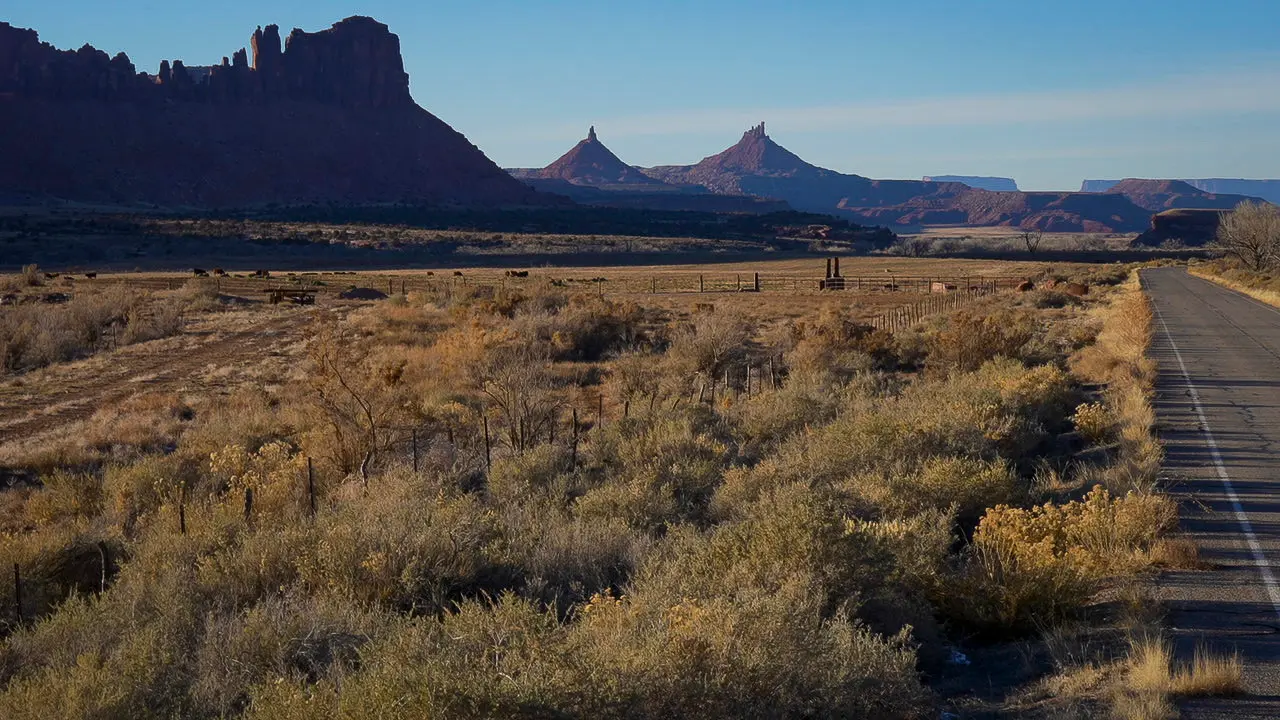
Utah's Republican politicians and the Trump administration claimed that shrinking Bears Ears National Monument reflected local preferences, but polling data tells a different story. A recent survey of Utah residents found that a solid majority supported protecting the state's national monuments, contradicting claims that downsizing Bears Ears represented the will of the people.
Bears Ears, a 1.35-million-acre monument designated by President Obama in 2016, encompasses culturally significant sites for Native American tribes and contains archaeological resources spanning thousands of years. The Trump administration reduced the monument to roughly 228,000 acres in December 2017, one of the largest reductions of a protected federal area in U.S. history.
The administration justified the reduction by arguing that local communities opposed the monument designation. However, survey results showed that Utah residents, including Republicans, backed monument protection. The polling reflected growing recognition of the economic and cultural value these protected lands provide through tourism and preservation of tribal heritage sites.
The Bears Ears case exemplifies broader conflicts over public lands management in the West. Native American tribes, including the Navajo Nation, Hopi, Ute Mountain Ute, and Pueblo tribes, had successfully advocated for the original designation through the Obama administration's Antiquities Act authority. They documented how the monument protected sacred sites and allowed tribal nations to co-manage the land.
The reduction opened roughly 1.1 million acres to potential mining, oil and gas leasing, and other extractive industries. Environmental groups and tribal nations immediately challenged the decision in federal court, arguing the president lacked authority to shrink monuments at that scale.
Utah's political establishment initially supported the downsizing, but public opinion diverged from that position. Subsequent administrations have continued wrestling with monument boundaries, reflecting the enduring tension between extraction industries, environmental protection, tribal sovereignty, and local opinion in the American West. The Bears Ears dispute