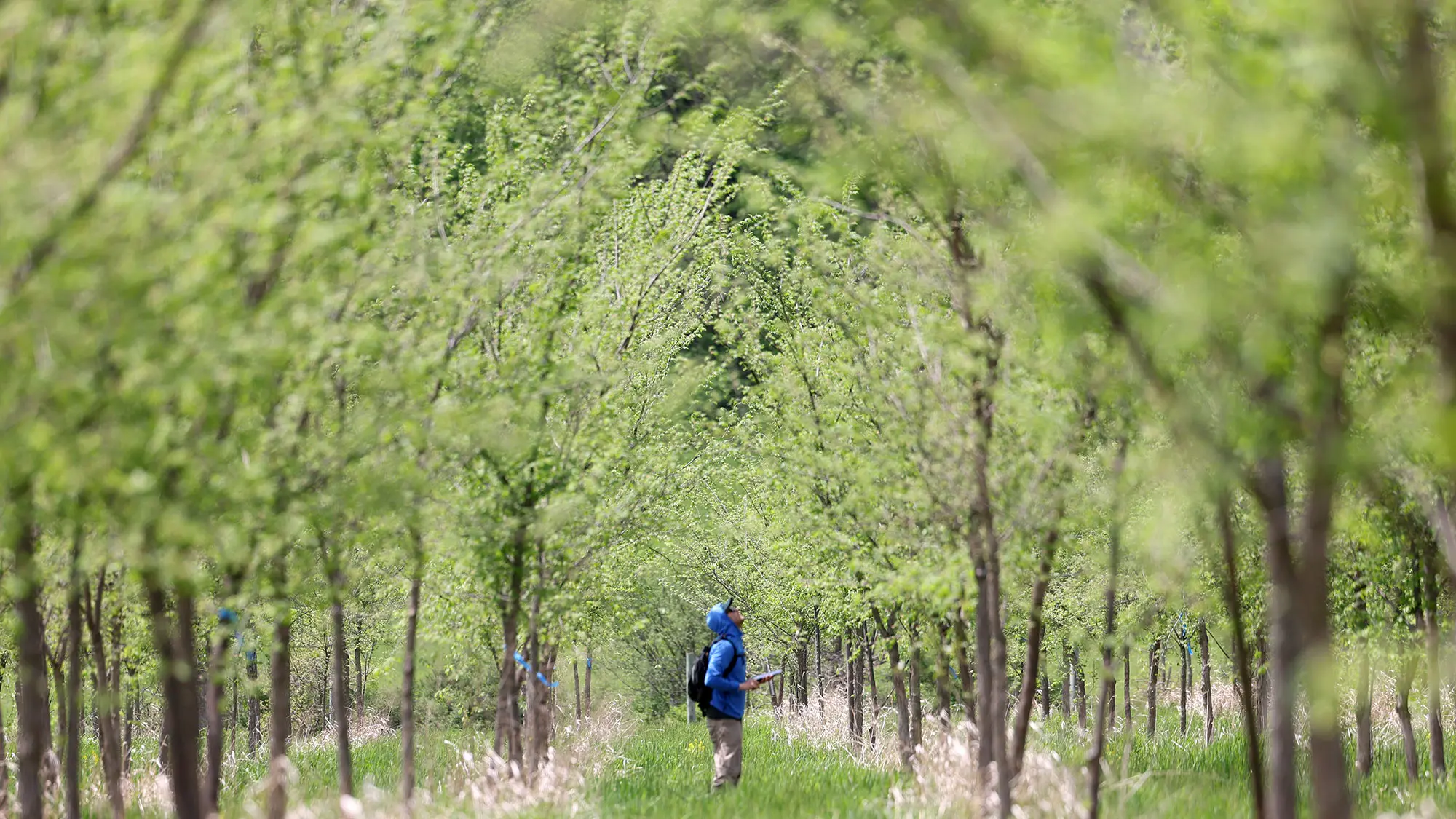
Vermont researchers infected 5,300 American elm trees with Dutch elm disease to identify which specimens possess natural resistance to the fungal pathogen. This intentional inoculation marks a radical approach to rebuilding populations of a tree species that nearly vanished from North American forests.
Dutch elm disease, spread by beetles, killed an estimated 100 million American elms across the continent after arriving in the 1930s. The disease devastated urban canopies and disrupted forest ecosystems dependent on the species. Surviving trees from this catastrophic die-off offer genetic clues to disease tolerance that researchers now systematically harvest.
The Vermont experiment isolates which trees survive exposure to the pathogen's most virulent strain. Those that endure the infection without succumbing carry heritable traits conferring resistance. Researchers will propagate surviving specimens to expand a genetically diverse, disease-resistant population for future reforestation efforts.
This strategy builds on decades of smaller elm breeding programs. Traditional selective breeding programs worked with fewer trees and narrower genetic pools. The scale of Vermont's trial, involving thousands of specimens, captures far more genetic variation. That diversity strengthens long-term survival prospects against future pathogen mutations.
The cost remains substantial. The inoculation trial requires careful monitoring, controlled growing conditions, and resources to track individual tree survival rates. Yet researchers argue the investment pays dividends as resistant elm genetics inform reforestation across the northeastern United States and beyond.
Ecological restoration of American elms matters beyond nostalgia. The species once composed up to 4 percent of the eastern forest canopy. Its loss cascaded through dependent wildlife populations and altered forest structure. Reestablishing a disease-resistant American elm population would partially restore damaged ecosystems while potentially absorbing carbon in growing biomass.
The Vermont trial operates within a larger, decades-long effort to resurrect American elms. University breeding programs and conservation