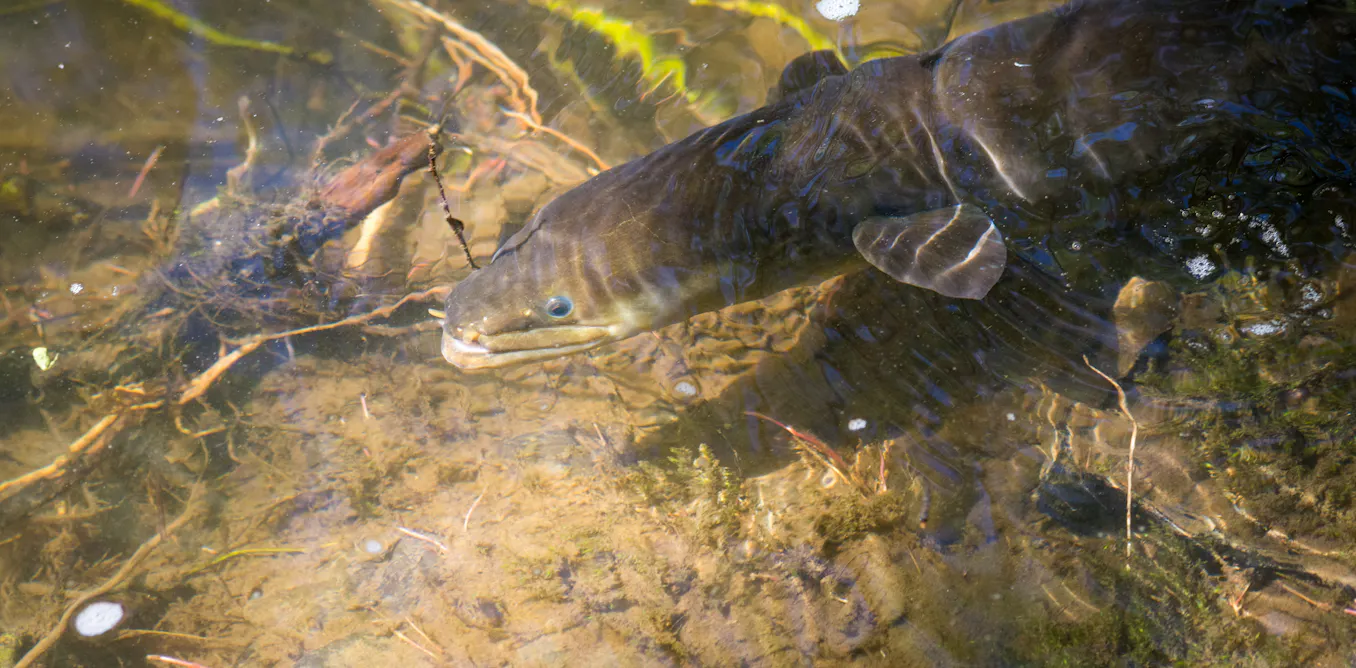
New research confirms that New Zealand's wetlands function as essential feeding grounds for native eel populations, expanding scientific understanding of these ecosystems beyond their known roles in flood mitigation and carbon storage.
The study highlights how wetlands generate abundant invertebrate populations that sustain both shortfin and longfin eels throughout their life cycles. These freshwater eels depend on wetland productivity during juvenile and adult stages, making wetland health directly linked to eel survival rates across broader river catchments.
New Zealand's native eels face mounting pressure from habitat loss, dam construction, and water quality degradation. Longfin eels, classified as nationally vulnerable, demonstrate particular reliance on wetland ecosystems. The research underscores how protecting these freshwater corridors delivers cascading benefits beyond single-species conservation.
Wetlands occupy less than 10 percent of New Zealand's pre-European landscape. Historical drainage for agriculture and development eliminated vast tracts, fragmenting habitat networks that eels require for migration and feeding. This loss directly correlates with documented population declines across multiple catchments.
The findings argue for integrated freshwater management that recognizes wetlands as productive feeding habitat rather than marginal land. Restoration projects gain additional justification when eel populations become measurable indicators of ecosystem recovery. Indigenous Maori communities have long valued these eels as taonga (treasured species), and the research aligns with traditional ecological knowledge about wetland-eel interdependence.
Policymakers overseeing freshwater management and catchment restoration now have scientific evidence linking wetland extent to native species productivity. Protection and restoration of remaining wetlands deliver quantifiable outcomes for eel populations that support broader freshwater biodiversity. The research demonstrates that wetland conservation functions simultaneously as climate action, flood resilience, and species recovery.