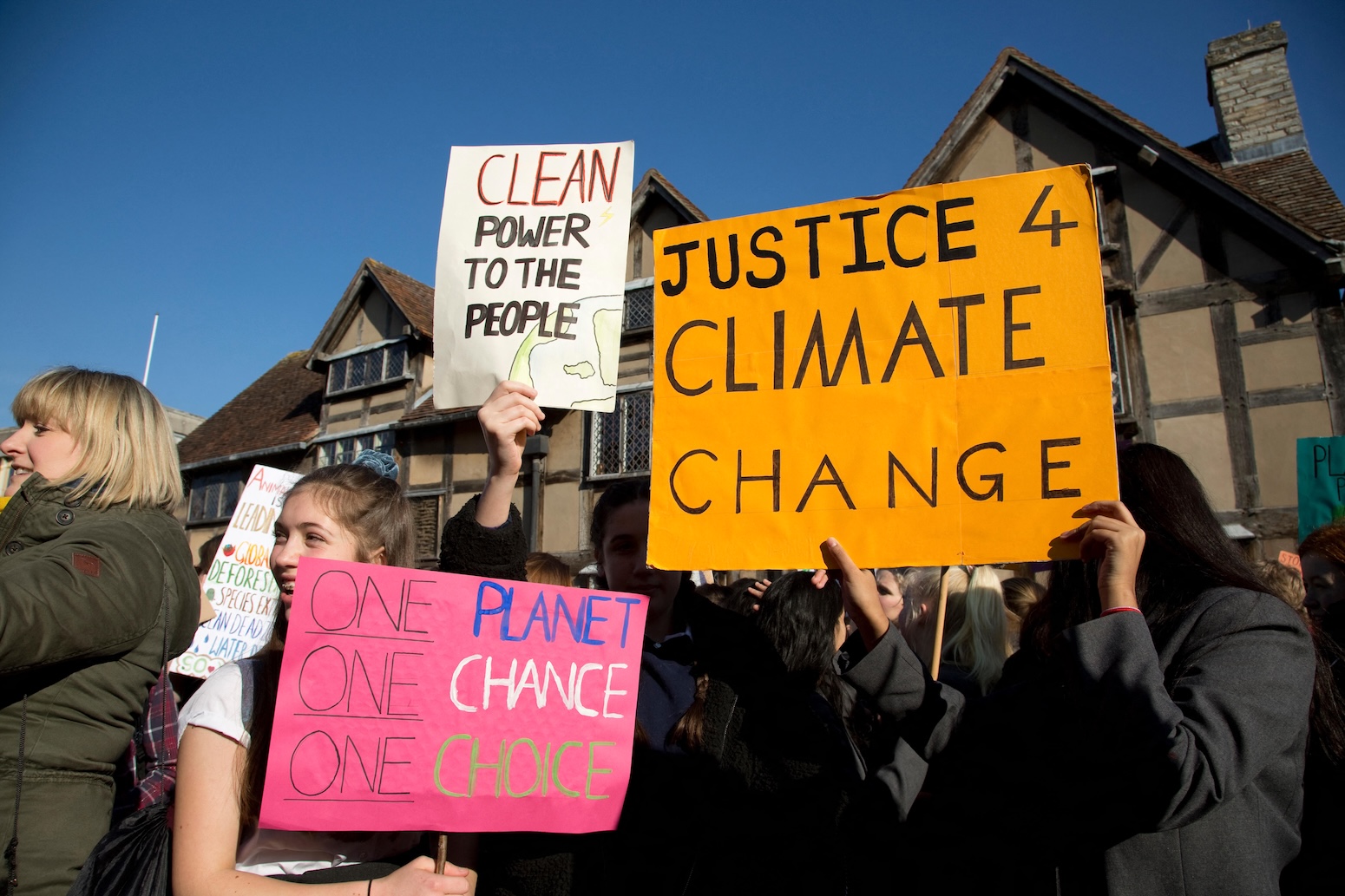
Research challenges a common assumption in climate communication: that correcting public misperceptions about climate action will drive behavioral change. A new study finds that simply informing people about the actual level of climate engagement does not reliably increase their own willingness to act.
The work examines what researchers call the "social perception gap." People typically underestimate how many others support climate policies, while simultaneously overestimating how many people already engage in climate-friendly behaviors. The intuition behind correction campaigns has been straightforward. If people believe their peers care about climate change, social proof should nudge them toward action.
The findings reveal this logic breaks down in practice. Correcting misperceptions alone produces minimal behavioral shifts. Some interventions actually backfire. When people learn that fewer others are taking climate action than they assumed, they sometimes reduce their own efforts rather than increase them. This reflects a phenomenon researchers call "moral licensing in reverse," where learning that fewer people are acting removes a motivational boost that existed under false beliefs.
The research adds to growing evidence that social-norm messaging requires careful calibration. Simply providing accurate information about what others do or believe fails to account for how people respond psychologically to that information. Effective climate communication may need to pair factual corrections with additional messaging that sustains motivation, such as highlighting the tangible benefits of climate action or emphasizing personal values alignment.
The study has implications for nonprofit organizations and government agencies designing climate campaigns. Fact sheets and infographics correcting misperceptions remain useful for establishing baseline understanding. But standing alone, they rarely translate into the behavior change communicators seek. Policymakers increasingly recognize that shifting beliefs about climate action requires a more sophisticated approach than simple correction, one that addresses both what people think others are doing and how they feel about it.
This research underscores why climate action remains stubbornly below where survey data suggests public support sits. The gap between stated