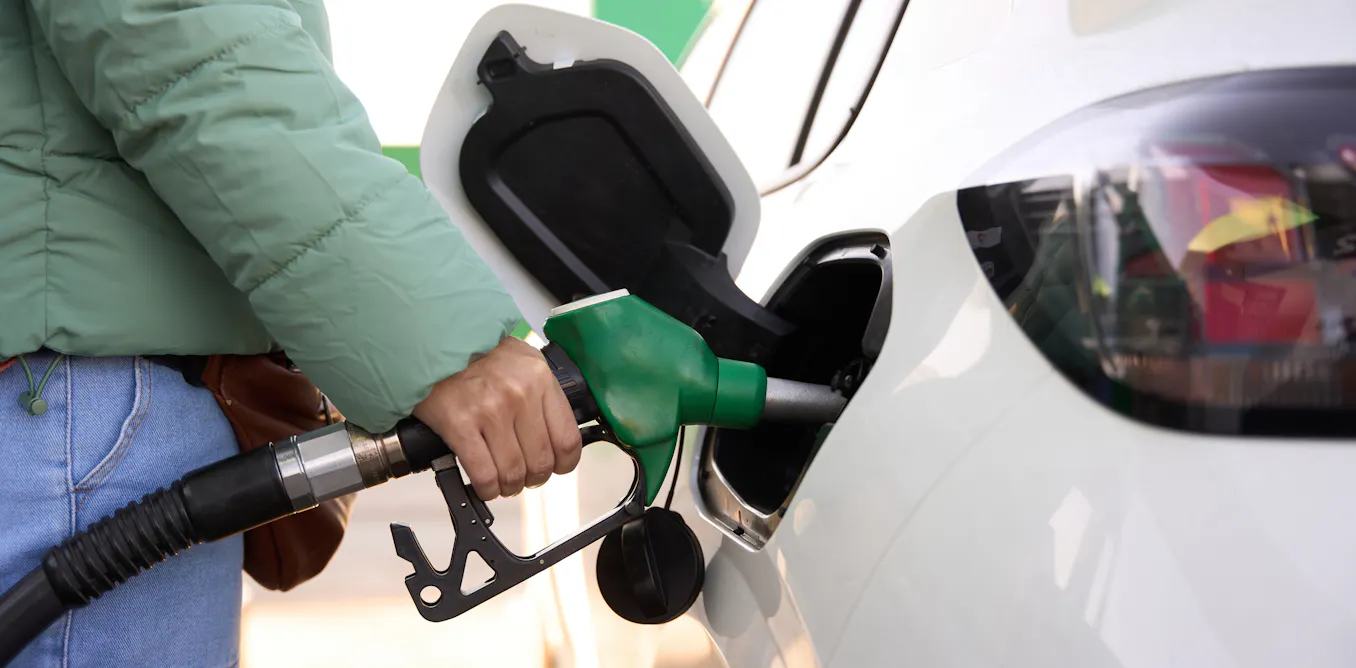
Australia's fuel excise discount expires on August 2, ending a temporary 16-cents-per-litre reduction that the government introduced in March 2022. This policy reversal means petrol prices will rise across the country as the full 44-cents-per-litre excise tax reinstates.
The government implemented the discount during a period of volatile fuel prices driven by Russia's invasion of Ukraine and global supply chain disruptions. The measure provided temporary relief to drivers and transport operators facing record-high fuel costs. However, the temporary nature of the policy always indicated it would expire.
The removal of the discount carries several implications. For regular drivers, the price increase translates to roughly $8 additional cost per tank for an average vehicle. Transport and logistics companies relying on fuel-intensive operations face renewed pressure on operational budgets. Rural and regional communities, dependent on vehicle travel and freight services, experience disproportionate impacts from rising fuel costs.
The policy decision reflects tensions between short-term cost-of-living relief and long-term fiscal priorities. Fuel excise taxes fund road infrastructure and maintenance through the federal budget. Extending the discount would have cost the government approximately $3 billion annually in foregone revenue, according to budget estimates.
Environmental advocates have noted that higher fuel prices can shift consumer behavior toward fuel efficiency and alternative transport modes, though the effect remains modest. The price increase may accelerate interest in electric vehicles, though Australia's EV adoption rates lag comparable developed nations.
The expiration occurs as Australian petrol prices fluctuate with global crude oil markets and refinery operations. Recent geopolitical tensions and OPEC production decisions continue influencing retail pump prices independent of the excise change.
Motorists facing the increase have limited options beyond adjusting driving habits or switching to fuel-efficient vehicles. Some states offer minor subsidies or rebates, though these provide modest relief. The