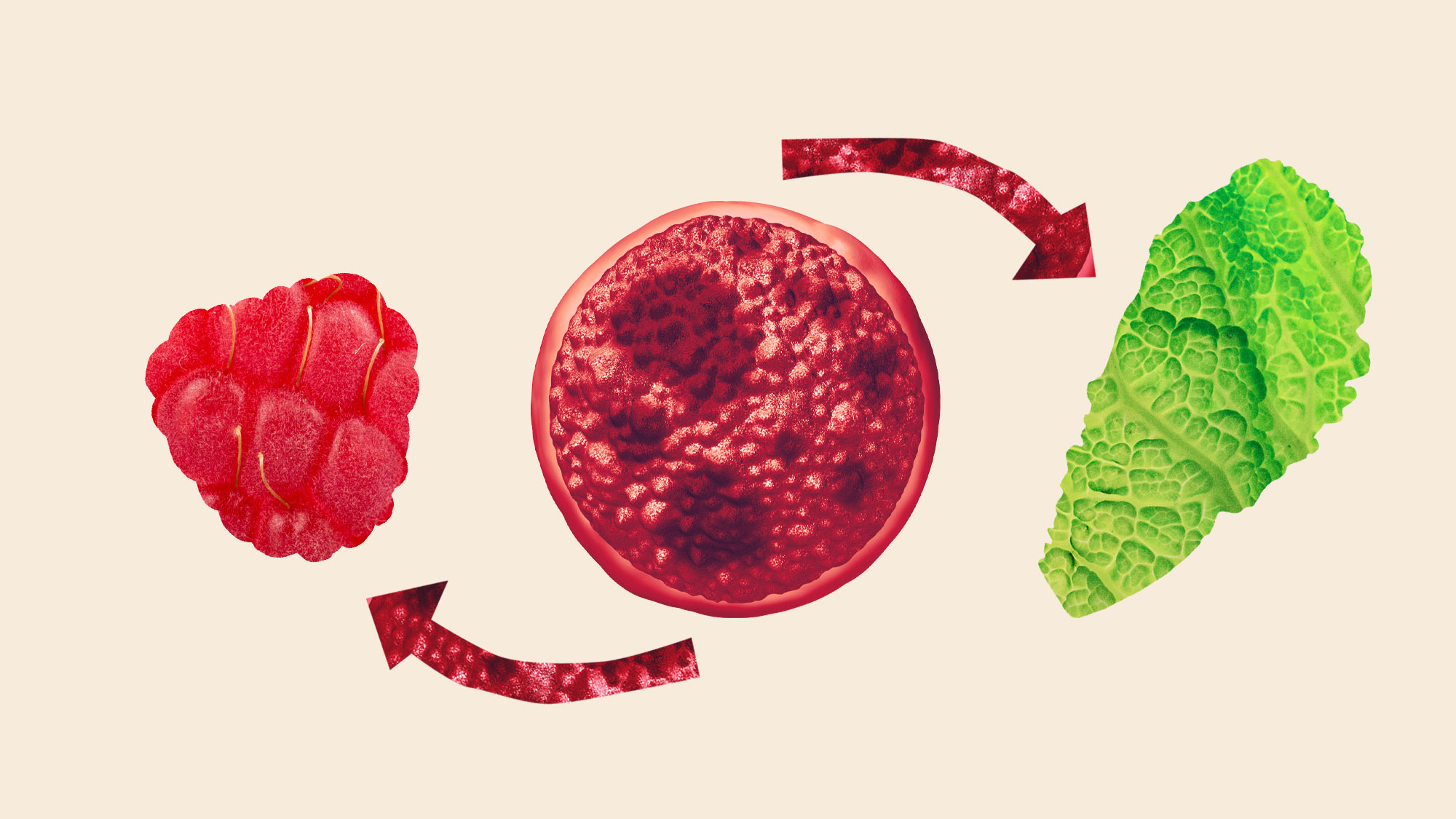
Climate change is expanding the geographic range and seasonal intensity of cyclospora, a parasitic infection that contaminates fresh produce and causes severe gastrointestinal illness. Warmer temperatures and altered precipitation patterns create optimal conditions for the parasite's development in water and soil, extending transmission seasons in regions previously too cold for sustained transmission.
Cyclospora outbreaks have surged in recent decades. The United States recorded 2,453 cases in 2018 alone, with produce imports from Latin America accounting for a significant portion of infections. The parasite requires seven to fourteen days outside a human host to become infectious, a timeline that warming accelerates. Higher temperatures speed development in contaminated irrigation water and agricultural soil.
The food system's fragility compounds the problem. Produce travels thousands of miles across borders before reaching consumers, creating multiple contamination points. Cold chain breaks during transport allow parasites to develop in warming containers. Centralized distribution networks mean a single contaminated batch can sicken people across multiple states within days.
Public health communication remains inconsistent. The CDC issues warnings reactively after outbreaks occur, often weeks after exposure. Produce industry standards lack uniform testing requirements for cyclospora, unlike protocols for E. coli or salmonella. Many agricultural workers lack access to sanitation facilities, increasing contamination risk at the farm level.
Climate projections suggest cyclospora transmission will intensify. The parasite thrives in temperatures between 15 and 30 degrees Celsius. As growing seasons lengthen and rainy periods shift, traditional agricultural calendars become unreliable. Regions in Central America, the major source of U.S. produce imports, face increasing temperature volatility that favors parasite proliferation.
Addressing the threat requires coordinated action. Stronger water treatment standards for irrigation, expanded testing protocols, and improved sanitation infrastructure at farms and packing facilities