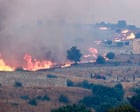
Three Greek firefighters died while battling wildfires on Crete and mainland Greece as southern Europe grapples with a cascade of uncontrolled blazes stretching from the Atlantic coast to the eastern Mediterranean. The deaths underscore the escalating danger firefighters face as climate-driven heat and wind patterns intensify fire behavior across the continent.
Repeated heatwaves and strong winds have made fires harder to suppress, according to fire safety experts. The current arc of wildfires extends from the Scottish Highlands to southern Spain, with many blazes burning dangerously close to populated towns and cities. The geographic spread and intensity reflect a broader pattern: fires are igniting faster and spreading more aggressively as temperatures climb and drought conditions persist.
Greece has been particularly hard hit. The Crete and mainland incidents represent direct operational casualties during suppression efforts. The Greek fire department confirmed the deaths but did not immediately disclose details about the circumstances of each fatality or the specific fires involved.
Climate scientists have warned that heatwaves are becoming more frequent and more intense across Europe. These temperature spikes create ideal conditions for wildfires by reducing soil moisture, lowering vegetation water content, and destabilizing atmospheric conditions that normally help contain blazes. Strong wind events amplify the problem by accelerating fire spread and overwhelming firefighting capabilities.
The timing matters. Summer wildfires in southern Europe are routine, but their scale and proximity to infrastructure have shifted. Fires that would historically remain manageable in remote terrain now threaten suburbs and resort areas where population density has increased. Evacuation orders have become routine across affected regions.
European fire agencies face a staffing and resource crisis. Fighting fires in extreme heat exhausts personnel faster, and repeated deployment cycles leave teams undermanned for subsequent emergencies. The deaths in Greece reflect the toll of sustained operations under dangerous conditions that climate change is making permanent.