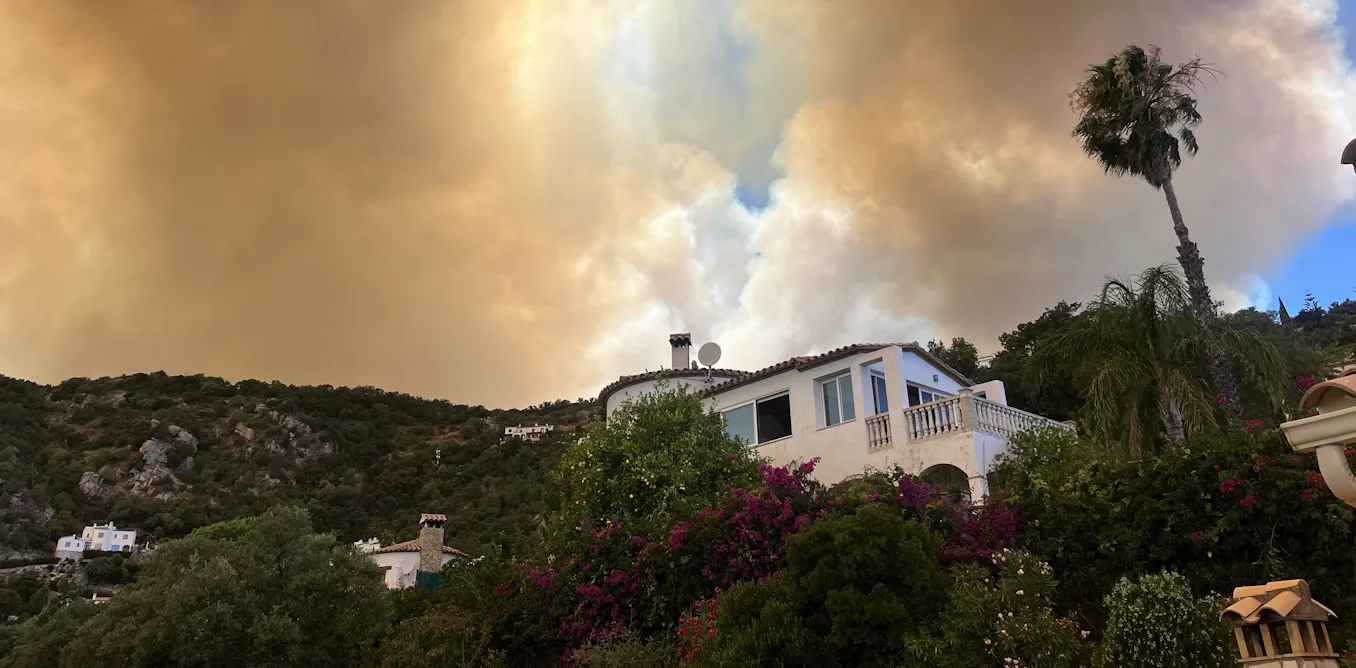
Spain's building codes and forest management strategies lack adequate safeguards for homes constructed in or near forests, leaving residential areas vulnerable to wildfire damage. The nation faces mounting risks as climate change intensifies fire seasons across the Mediterranean region.
Current Spanish regulations fail to enforce defensible space requirements around structures, proper vegetation management, and fire-resistant building materials in wildland-urban interface zones. These gaps leave communities exposed to the rapid spread of wildfires that increasingly threaten populated areas.
Australia and Greece offer tested models for legal reform. Australia implemented the Building Code of Australia with strict requirements for homes in fire-prone regions, mandating non-combustible materials, ember-resistant vents, and cleared zones around structures. These standards emerged after catastrophic fires like the 2009 Black Saturday bushfires killed 173 people. Greece strengthened forest management laws following deadly 2018 wildfires near Athens that killed more than 100 residents, establishing mandatory fuel reduction programs and stricter building permits in high-risk areas.
Spain can adapt these approaches through legal overhauls addressing three areas. First, updating building codes to require fire-resistant materials, metal gutters, and non-combustible fencing in designated high-risk zones. Second, establishing mandatory vegetation buffers around homes, typically 10 to 30 meters depending on terrain and vegetation type. Third, creating enforceable forest management plans that include regular vegetation removal and fuel reduction.
The European Union's Forest Fire Prevention and Recovery Regulation also provides a framework Spain can leverage, setting baseline standards for member states. However, implementation requires both national legislative changes and municipal enforcement capacity.
Spain's growing wildfire exposure mirrors trends across Mediterranean Europe. The 2023 fire season saw record-breaking temperatures and unprecedented burned areas. Without legal frameworks requiring proactive home hardening and landscape management, suburban and rural communities remain at severe risk. Countries that delayed protective measures