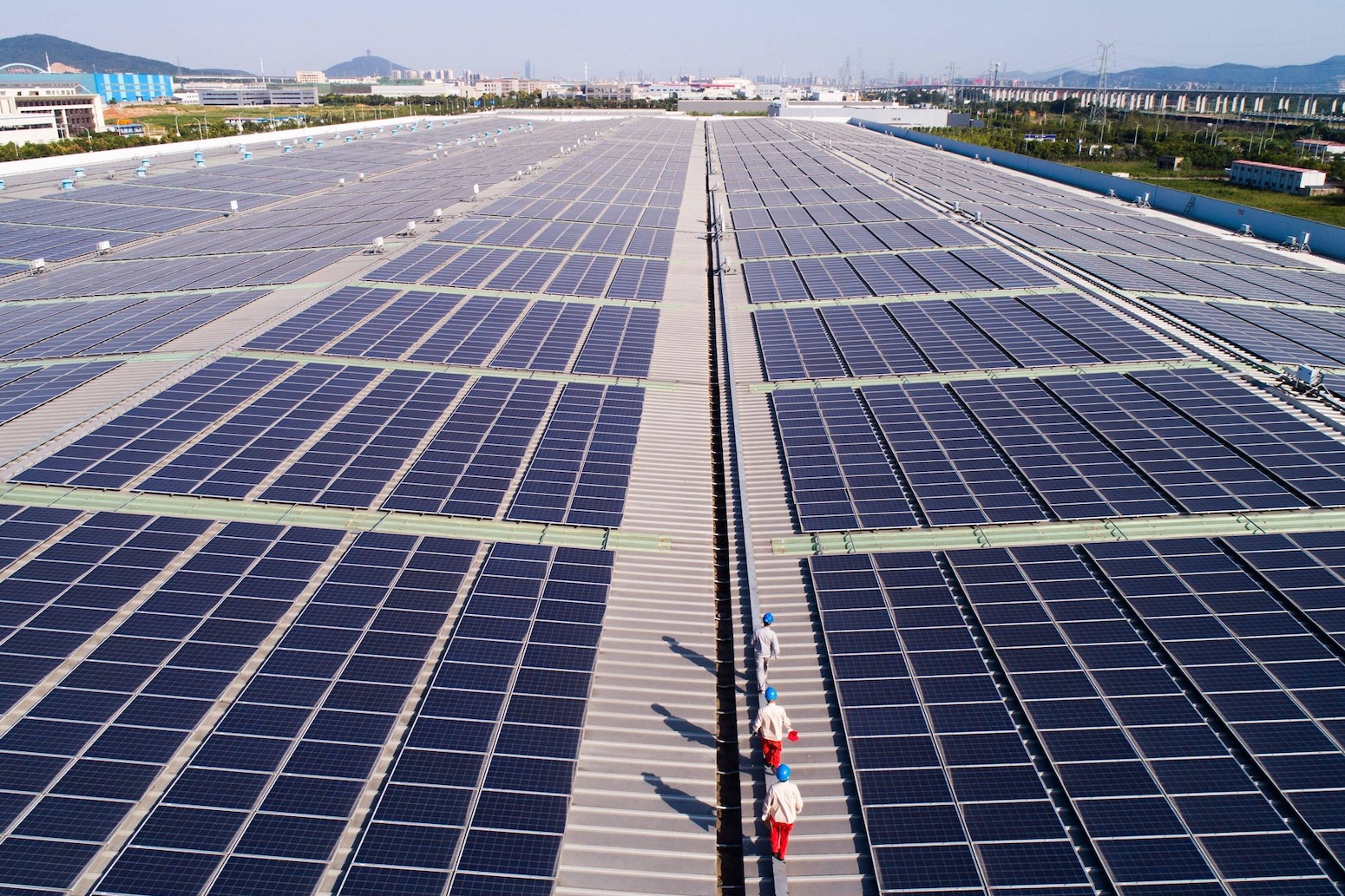
China's government unveiled its 15th five-year plan for renewable energy development, setting ambitious targets for wind and solar expansion through 2025. The plan represents a shift in how China approaches its climate commitments and energy transition strategy.
The blueprint establishes specific capacity goals for renewable energy infrastructure across the nation. China aims to accelerate solar and wind installations to meet rising electricity demand while reducing reliance on coal. The plan integrates renewable energy targets with grid modernization efforts and energy storage development, addressing technical barriers that previously limited renewables integration.
The timing matters for global climate negotiations. China accounts for roughly 30 percent of worldwide carbon emissions, and its renewable energy trajectory directly shapes global decarbonization timelines. The plan's targets align with China's stated goal of achieving carbon neutrality by 2060, though specifics on coal phaseout timelines remain contested by climate analysts.
Implementation challenges persist. China's renewable capacity has grown substantially, but actual deployment often lags official targets. Regional disparities in grid infrastructure and economic incentives create uneven progress across provinces. The plan addresses some bottlenecks through investment in ultra-high-voltage transmission lines connecting renewable-rich areas to population centers.
The plan also signals China's industrial strategy. Expanding solar manufacturing and wind turbine production supports domestic employment while positioning Chinese firms as global clean technology exporters. Battery storage capacity targets indicate preparation for higher renewable penetration rates in the power system.
For climate modeling, China's renewable expansion directly reduces projected warming pathways. International Energy Agency scenarios incorporate Chinese renewable deployment as a core variable. Underperformance against targets would push global temperature increases closer to 3 degrees Celsius above pre-industrial levels. Meeting the targets keeps outcomes closer to 2-degree scenarios, though not sufficient alone.
The plan's success depends on sustained financing, grid upgrades, and political commitment across provincial governments. China's track record shows