Australia's automotive market faces structural upheaval as European manufacturers exit and dealerships collapse. Fiat's withdrawal and a Peugeot dealer's franchise surrender signal deeper disruption in the country's car sales landscape.
Industry observers deploy stark language to describe the transformation. Terms like "bloodbath," "annihilation," and "juggernaut" dominate discussions among veteran automotive analysts. The scale of change extends beyond isolated departures. Multiple manufacturers are reassessing their Australian operations as consumer preferences and market conditions shift fundamentally.
The exits reflect broader pressures reshaping global automotive markets. Electric vehicle adoption accelerates consumer expectations around technology and sustainability. Traditional combustion-engine dealers face margin compression. Supply chain restructuring favors consolidated operations over fragmented dealer networks.
Australia's geographic isolation has historically made vehicle distribution expensive. Manufacturers now weigh the cost of maintaining separate Australian operations against markets offering greater scale and profitability. Smaller European brands face particular pressure when competing against established Asian manufacturers with entrenched dealer networks.
The dealership failures carry employment consequences. Franchise holders lose investments. Service technicians face job losses. Supporting businesses dependent on dealer traffic experience revenue declines.
Market consolidation appears inevitable. Surviving dealers will likely represent fewer brands and serve larger geographic areas. This restructuring may benefit consumers through reduced dealer margins on high-volume models, but could harm service availability in regional areas.
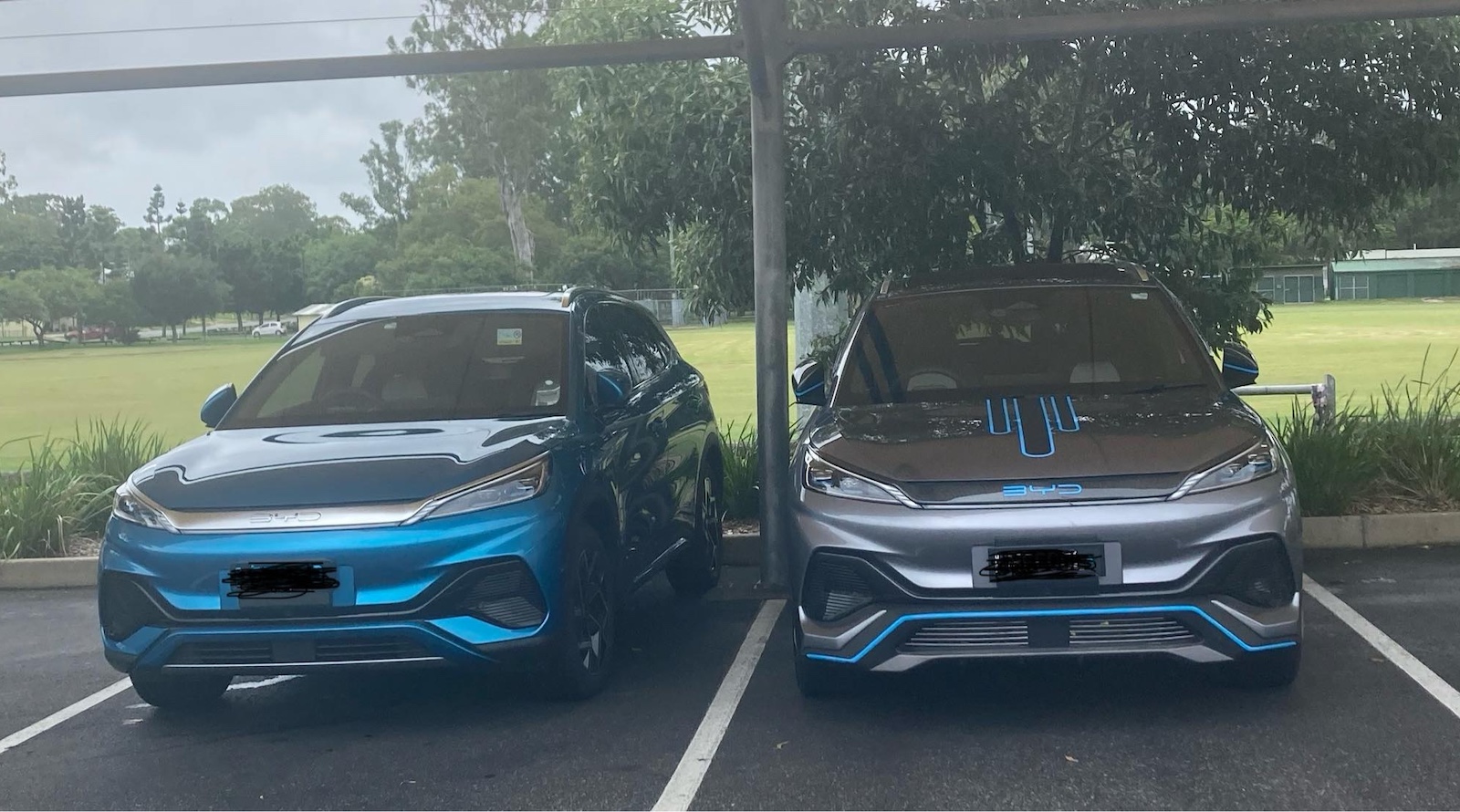
The transition also reflects Australia's evolving automotive preferences. Import restrictions on Chinese electric vehicle manufacturers have delayed price competition in the EV segment. Domestic manufacturing has largely ceased. Australian buyers increasingly purchase imported vehicles, either conventional or electric, competing directly with dealer network economics developed around franchise protection.
Whether this represents temporary adjustment or permanent contraction remains unclear. The language industry participants employ suggests they view current changes as fundamental rather than cyclical. Fiat and Peugeot's decisions indicate European manufacturers see limited growth