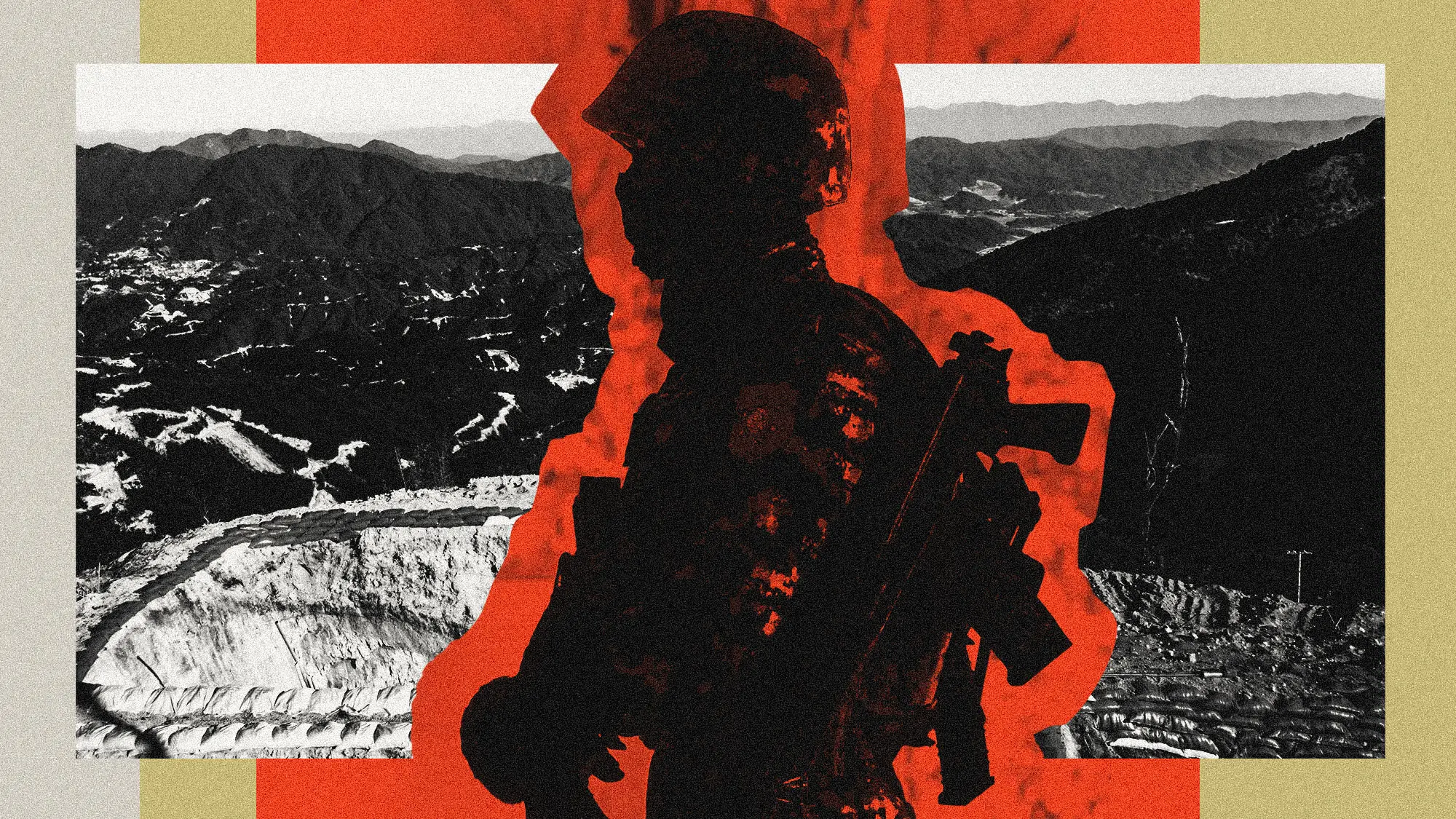
Conflict in Myanmar has created conditions for unregulated rare earth mining operations that poison water supplies, sicken workers, and operate beyond government oversight. The industry exploits decades of instability and weak enforcement mechanisms in regions controlled by armed groups.
Rare earth elements power electronics, renewable energy systems, and military equipment. Global demand for these materials has surged as countries transition to wind turbines and electric vehicles. Myanmar holds significant deposits, but extraction occurs in conflict zones where environmental regulations collapse and labor protections vanish.
Mining operations in Myanmar lack basic pollution controls. Tailings contaminate rivers that communities depend on for drinking water and agriculture. Workers face exposure to toxic chemicals and radioactive materials without protective equipment. Local residents report skin diseases, respiratory illnesses, and crop failures tied to mining activities. No independent health monitoring tracks the human toll.
The operations generate revenue for armed groups that control mining territories. This funding perpetuates conflict and destabilizes entire regions. Government authorities struggle to regulate an industry that operates in shadow economy networks, often facilitated by transnational smuggling routes.
The rare earth boom occurs despite Myanmar's legal framework prohibiting unregistered mining. Enforcement collapses in conflict areas where state authority does not exist. International buyers source materials without transparency mechanisms to verify origin or production standards.
This pattern reflects a broader tension in the clean energy transition. Renewable technologies depend on rare earth elements, but extraction in unstable regions often occurs with minimal environmental and labor safeguards. Supply chain complexity allows buyers to maintain distance from mining consequences.
Myanmar's situation demonstrates how geopolitical instability intersects with resource extraction. Decades of civil conflict removed institutional capacity to manage industrial operations responsibly. Armed groups recognize mining as a revenue source. Communities bear pollution costs they did not choose.
Addressing this requires both conflict resolution and supply chain accountability. Buyers of rare earth materials must verify sourcing practices. Myanmar needs restoration