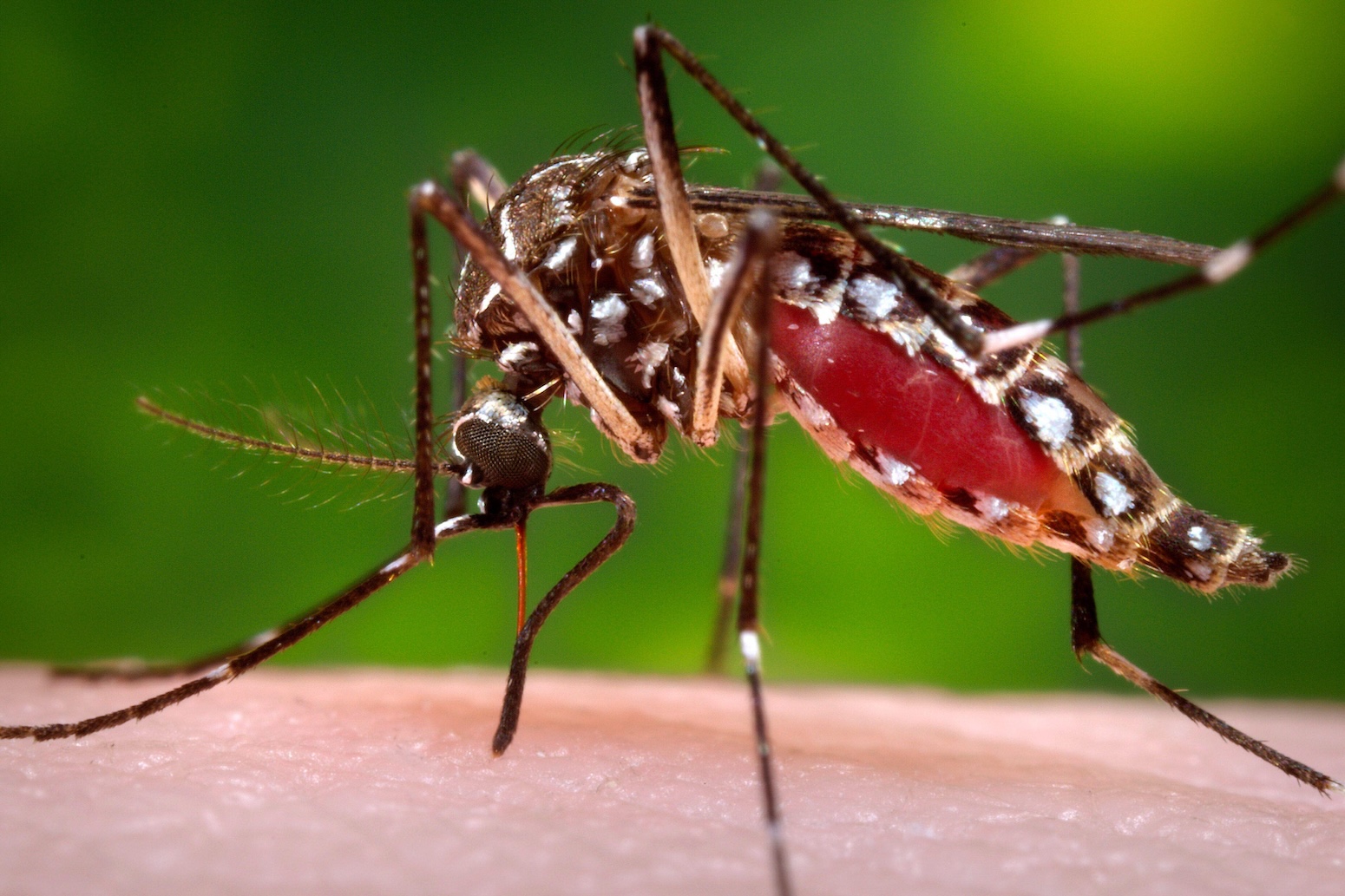
Rising temperatures are reshaping malaria risk patterns across sub-Saharan Africa, creating zones of newly vulnerable populations while reducing transmission risk in other regions. Climate models show that warming is expanding suitable habitat for malaria parasites and their mosquito vectors into higher altitudes and latitudes where populations previously enjoyed natural protection from the disease.
Research published in peer-reviewed studies documents this geographic redistribution. Higher temperatures accelerate the development cycle of *Plasmodium* parasites within *Anopheles* mosquitoes, shortening the time needed for parasites to become infectious. In highland areas of East Africa, temperature increases have already pushed malaria transmission into previously malaria-free zones. Communities at higher elevations, lacking built-up immunity to the disease, face heightened vulnerability.
Simultaneously, some traditionally endemic regions experience reduced transmission potential as temperatures exceed the thermal optimum for mosquito survival and parasite development. This does not eliminate malaria risk in these areas but shifts the seasonal timing and intensity of outbreaks.
The World Health Organization reports that malaria kills approximately 627,000 people annually, with children under five accounting for 80 percent of deaths. The disease already causes substantial economic burden in sub-Saharan Africa, where most deaths occur. Climate-driven range shifts compound existing health system pressures by forcing adaptation in malaria surveillance, prevention, and treatment strategies.
Local health systems in highland regions lack experience managing malaria cases because transmission was historically rare or absent. This creates a critical gap between disease risk and clinical preparedness. Vector control programs optimized for one set of geographic conditions become less effective as transmission patterns shift.
Adaptation requires proactive expansion of malaria surveillance networks into newly at-risk areas, training healthcare workers in highland regions, and ensuring insecticide-treated bed net distribution reaches populations entering new risk zones. Without these interventions, climate-driven malaria redistribution will likely