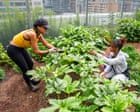
Nicole Austin grows okra in Ontario, continuing a agricultural tradition rooted in the African diaspora. The Jamaican-Canadian farmer cultivates an heirloom variety her family brought north, addressing a gap in Canadian food systems where culturally significant crops remain largely unavailable.
Growing up in Oshawa, Austin's family struggled to source traditional Caribbean foods including okra, callaloo, and garden eggs. Her grandmother cultivated select crops when she possessed the proper seeds, passing along knowledge that would shape Austin's later farming practices.
Austin now operates as a small-scale farmer in Canada, stewarding varieties that carry cultural weight for African-descended communities. She recognizes the role that farmers of color and Black farmers play in maintaining food sovereignty. These growers ensure that culturally significant crops remain available, cultivated, and shared across communities separated by geography and migration.
The okra Austin grows represents more than a vegetable. It embodies the survival of agricultural knowledge through generations displaced by slavery, colonialism, and migration. Heirloom seeds travel through family networks, preserved in memory and practice rather than in institutional seed banks or commercial agriculture.
This work addresses a documented gap in North American food systems. Mainstream Canadian agriculture prioritizes commodity crops, leaving communities reliant on imports or home cultivation for traditional foods. Small-scale farmers like Austin fill this void, creating local sources for produce that supermarkets don't stock.
The broader significance lies in food justice and cultural persistence. When immigrants and their descendants cannot access the foods central to their heritage, they face both nutritional and cultural displacement. Farmers maintaining these varieties resist that erasure. They preserve biodiversity that commercial agriculture has largely abandoned while honoring the knowledge systems embedded in traditional foodways.
Austin's work in Ontario connects directly to Caribbean agricultural heritage and to broader patterns of diaspora farming. Her okra patch demonstrates how food security, cultural identity, and agricultural