California's high-speed rail project signed a $25 million agreement with a private consortium to identify funding pathways for the troubled infrastructure program. The state awarded the contract to a group of companies tasked with exploring private investment mechanisms for a system that has consumed billions in public funding while missing deadlines and scaling back ambitions.
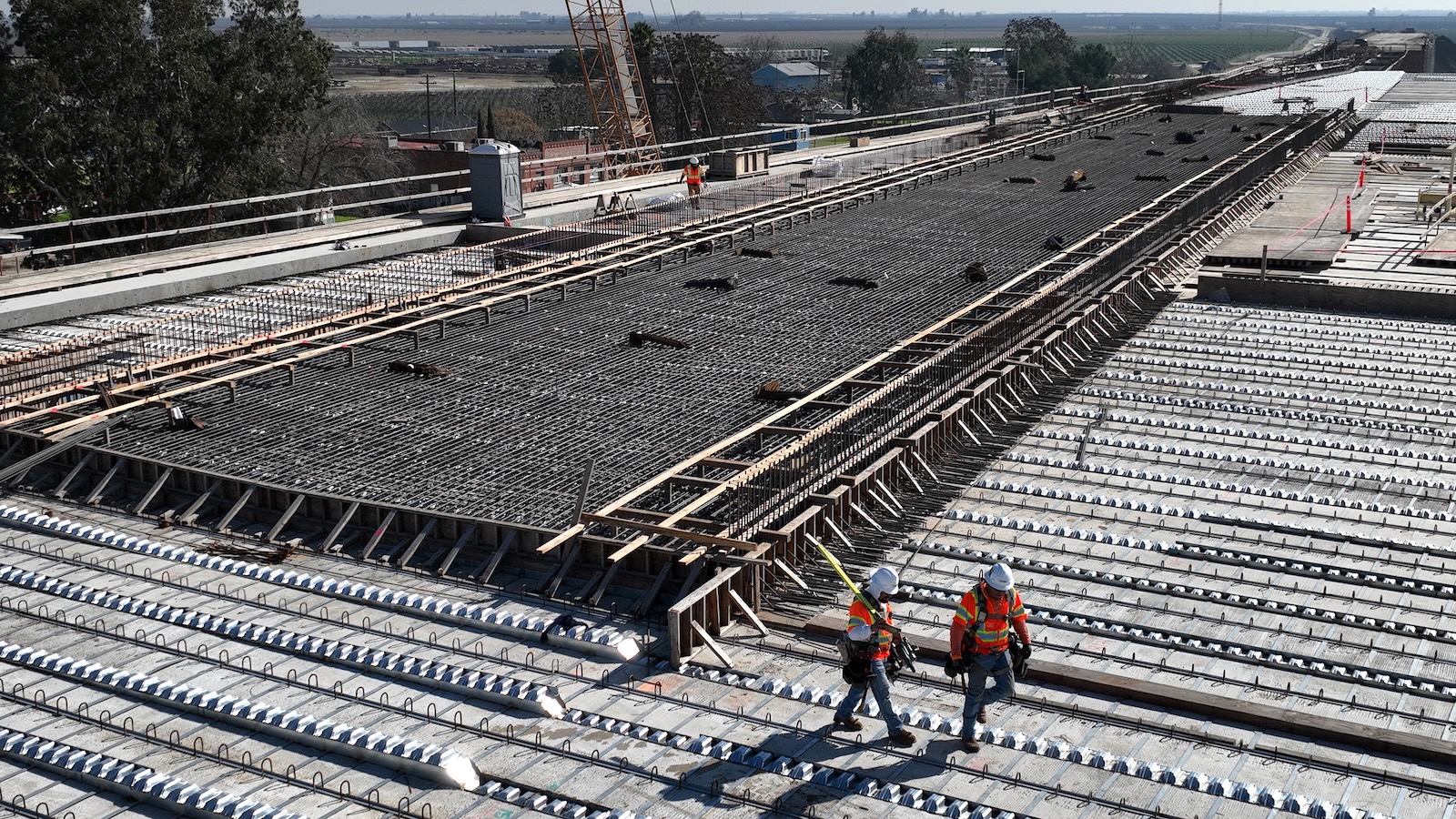
The California High-Speed Rail Authority initiated this move as construction continues on the Central Valley segment, the only portion currently under active development. The project originally envisioned connecting San Francisco to Los Angeles by 2029. Current timelines push completion into the 2030s, with total project costs now estimated at $128 billion or higher.
Private capital typically flows toward rail projects with clear revenue streams and competitive returns. High-speed rail networks historically struggle to generate sufficient fares to cover operating costs, let alone repay construction debt. The Northeast Corridor, operated by Amtrak, requires ongoing federal subsidies despite serving the densest passenger market in the United States.
Skeptics question whether California's project offers the financial fundamentals needed to attract substantial private investment. The state has already secured federal grants and bonds, reducing urgency to pursue alternative financing. Industry observers note that private investors rarely fund large infrastructure ventures from inception without established operational track records generating predictable ridership and revenue.
The consortium will examine public-private partnerships, real estate development rights along rail corridors, and other creative financing structures. Their analysis could reshape how the project pursues remaining funding.
State officials frame private sector involvement as essential to accelerating completion. Legislative backers argue that bringing business expertise and capital discipline strengthens project management. Critics counter that privatization schemes often transfer public risk to private gain, with taxpayers absorbing losses if ridership projections prove overoptimistic.
The 18-month exploration period will determine whether California's high-speed rail can attract private dollars or whether the state returns to relying on public