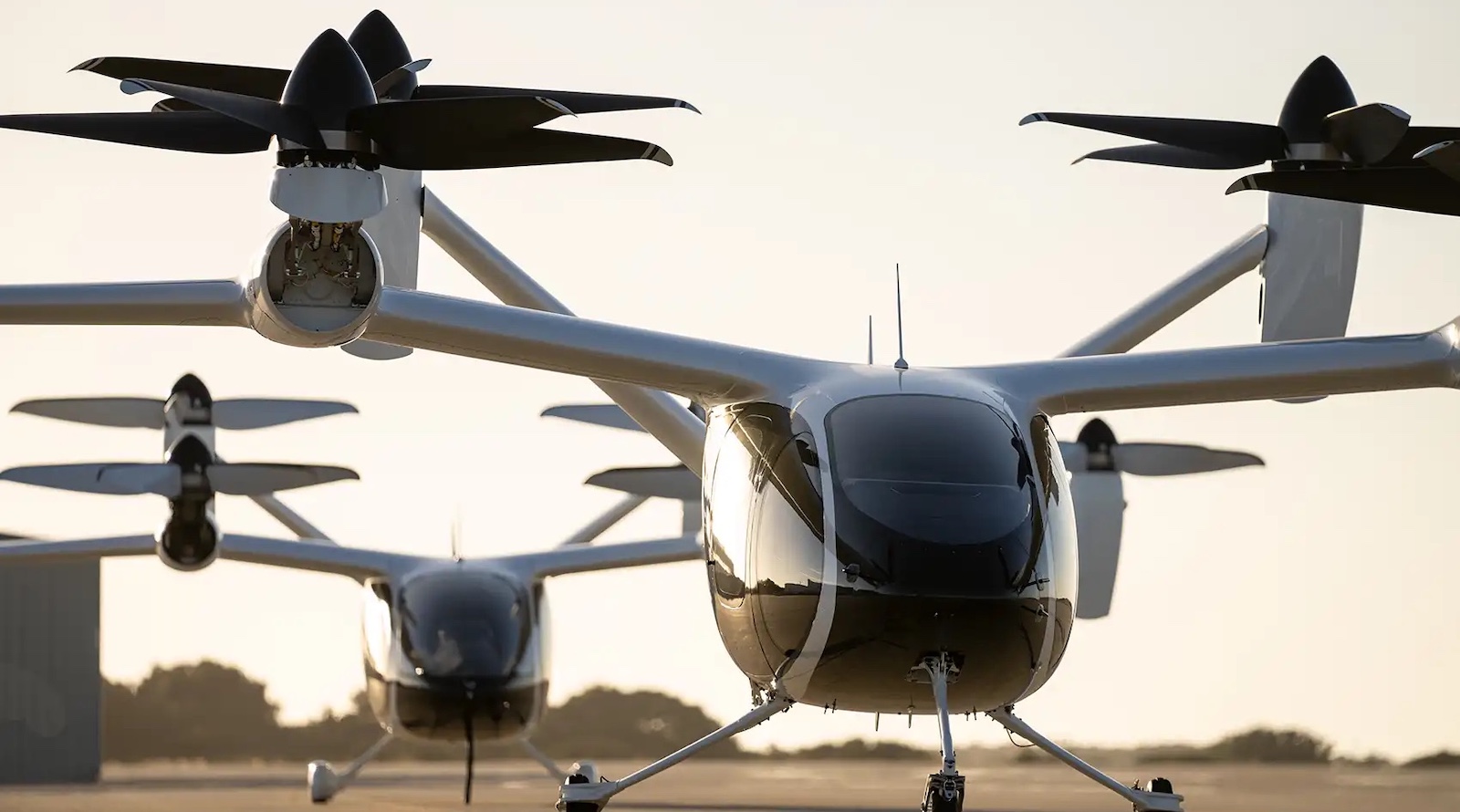
A new framework for advanced air mobility (AAM) gives airports, governments, and aviation operators tools to assess readiness for electric flying taxis and vertical takeoff aircraft entering commercial service.
The framework addresses operational, regulatory, and infrastructure gaps before electric aircraft begin carrying passengers. Flying taxis represent a shift from concept to near-term deployment. Companies like Joby Aviation, Archer Aviation, and Lilium are advancing certification pathways with the Federal Aviation Administration for electric vertical takeoff and landing (eVTOL) aircraft.
The readiness assessment covers multiple domains. Airports need vertiport infrastructure, ground support systems, and charging stations. Air traffic control systems require updates to handle low-altitude aircraft operations. Communities must understand noise and safety implications. Regulators face decisions on pilot licensing, aircraft certification standards, and airspace integration protocols.
Electric AAM vehicles promise emissions reductions compared to ground transport and conventional helicopters. Battery-powered aircraft eliminate direct greenhouse gas emissions during flight. Deployment in congested urban corridors could displace car trips, lowering transportation sector emissions.
However, the timeline for carbon benefits depends on grid electricity sources. Regions powered by fossil fuels see smaller emissions gains. Widespread adoption requires standardized charging infrastructure and cost reduction. Current eVTOL operating costs remain high, limiting service to premium routes initially.
The framework's governance structure involves Federal Aviation Administration oversight, with input from the National Transportation Safety Board and Department of Transportation. State and local agencies contribute through zoning and land-use decisions for vertiport placement.
Early deployment corridors include Los Angeles, Dallas-Fort Worth, and Miami. These regions pilot operations while agencies refine regulations. The framework establishes baseline metrics for safety, noise limits, and environmental impacts.
Challenges remain substantial. Battery technology constrains range and payload. Pilot training standards are undefined. Public acceptance hinges on demonstrated safety records.