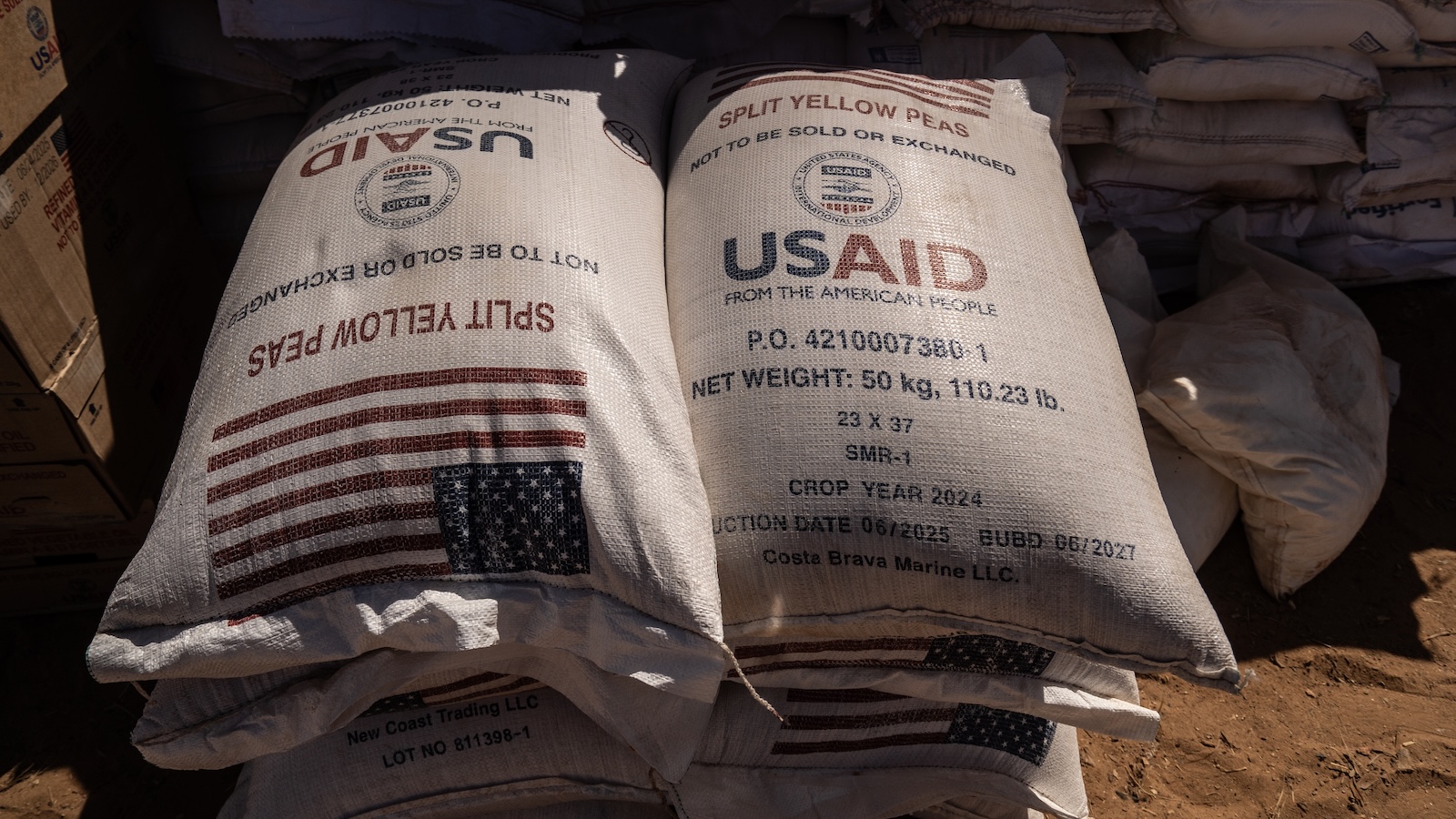
The Trump administration is dismantling USAID's Feed the Future Innovation Labs, a network of agricultural research centers established to develop crop varieties and farming techniques for food-insecure regions globally. The restructuring prioritizes domestic American agricultural interests over international development work.
Feed the Future, launched under President Obama, operated research hubs focused on improving yields in sub-Saharan Africa, South Asia, and Latin America. The labs worked on climate-resilient crops, pest management, and soil health across 20 partner countries. Universities including Cornell, Michigan State, and UC Davis hosted centers conducting research on crops like cassava, beans, and sorghum.
The administration's overhaul redirects resources toward U.S. domestic agriculture and supply chain resilience. Internal USAID documents reveal plans to shift focus away from global food security partnerships toward bilateral trade arrangements favoring American agricultural exports. Staff cuts and reduced international partnerships have already begun at multiple Innovation Labs.
Critics argue the decision undermines decades of agricultural knowledge-building. Scientists at participating institutions note that research on subsistence crop improvement in developing nations generates minimal commercial return but prevents humanitarian crises. A Michigan State researcher working on drought-resistant beans in East Africa stated the work addresses "the intersection of climate change and poverty," areas where U.S. private markets show little interest.
The pivot reflects broader "America First" foreign aid policy reversing the international development consensus of recent administrations. USAID's budget increasingly targets programs with direct U.S. geopolitical benefits rather than humanitarian outcomes. Feed the Future's dismantling removes institutional capacity for addressing crop failures, malnutrition, and agricultural climate adaptation in vulnerable regions.
The restructuring leaves research gaps precisely as climate change intensifies agricultural stress in developing nations. Regional partners lose access to germplasm repositories, pest-resistance research, and training networks cultivated over 15 years. Agricultural economists warn the