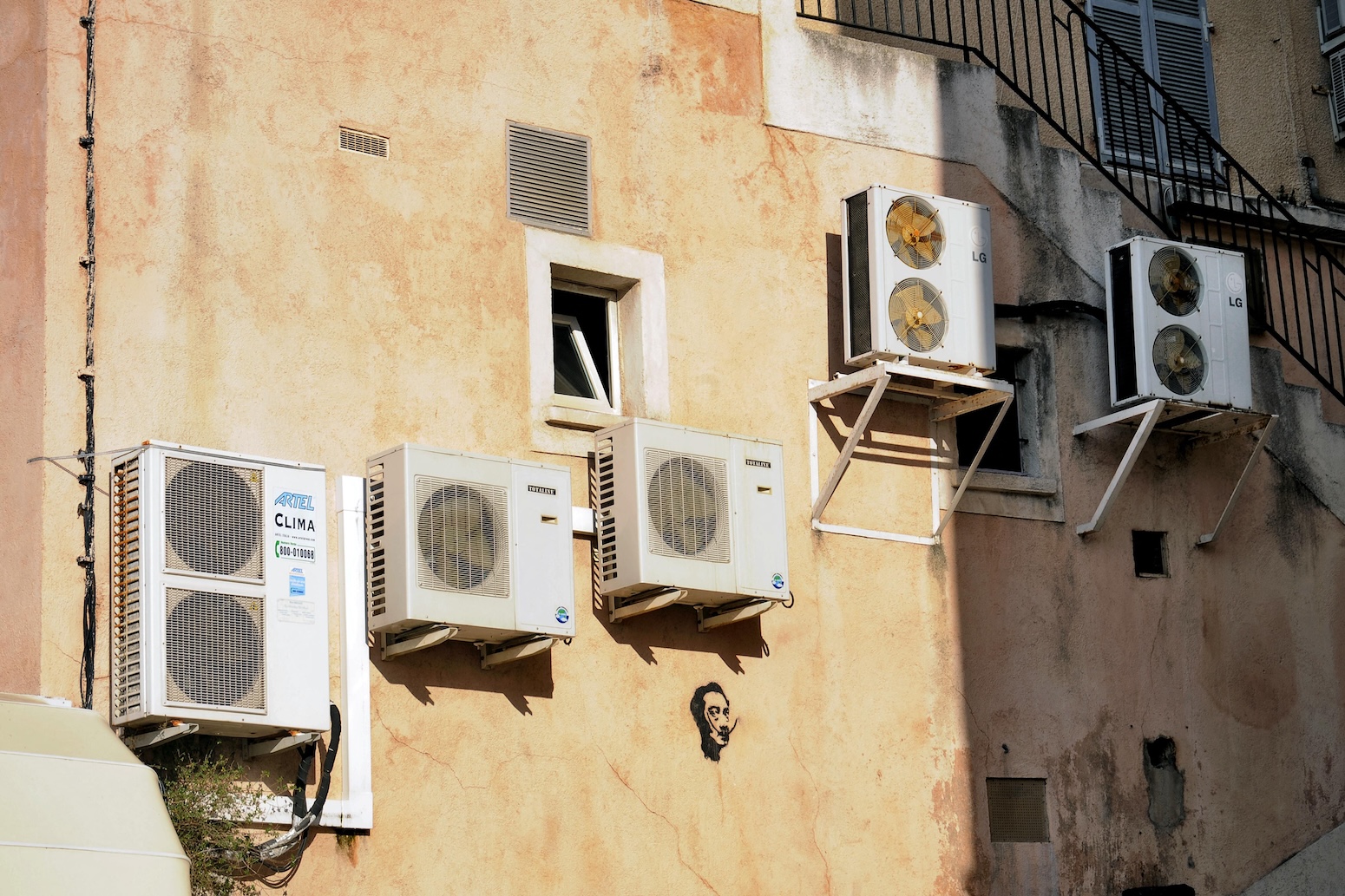
European heatwaves have transformed air conditioning into a lightning rod in climate debates, with advocates and critics clashing over its role in both adaptation and emissions. Carbon Brief has identified eight key facts that ground this discussion in evidence.
Air conditioning accounts for roughly 10 percent of global electricity consumption, according to the International Energy Agency. That figure rises to 20 percent in the United States and could reach 30 percent in some regions by 2050 if current cooling demand trends continue unchecked. The technology relies heavily on refrigerants and compressors that, when leaked, release potent greenhouse gases into the atmosphere.
The paradox lies in necessity versus climate cost. Rising temperatures make AC essential for public health, particularly for elderly populations and those without adequate shelter. Yet the electricity powering most air conditioners comes from fossil fuels in many nations. A kilowatt of cooling powered by coal-generated electricity creates a feedback loop: more AC use drives higher emissions, which intensifies warming and increases future demand.
Efficiency improvements offer a partial solution. Modern heat pump technology can deliver three to four units of cooling for every unit of electricity consumed, substantially outperforming older units. The European Commission has promoted stricter efficiency standards to reduce AC's energy footprint. Simultaneously, shifting electricity grids toward renewables addresses the fuel source question directly.
The debate extends beyond technical fixes. Some argue wealthy nations should restrict AC availability to reduce consumption, while others contend this penalizes people facing genuine heat-health risks. Developing countries face the sharpest dilemma: AC adoption improves living standards but risks locking in fossil fuel infrastructure for decades.
Refrigerant selection matters too. Hydrofluoroolefins (HFOs) represent improvements over older chemicals, though fully non-warming alternatives remain limited. The Montreal Protocol has successfully phased out the worst ozone-depleting options