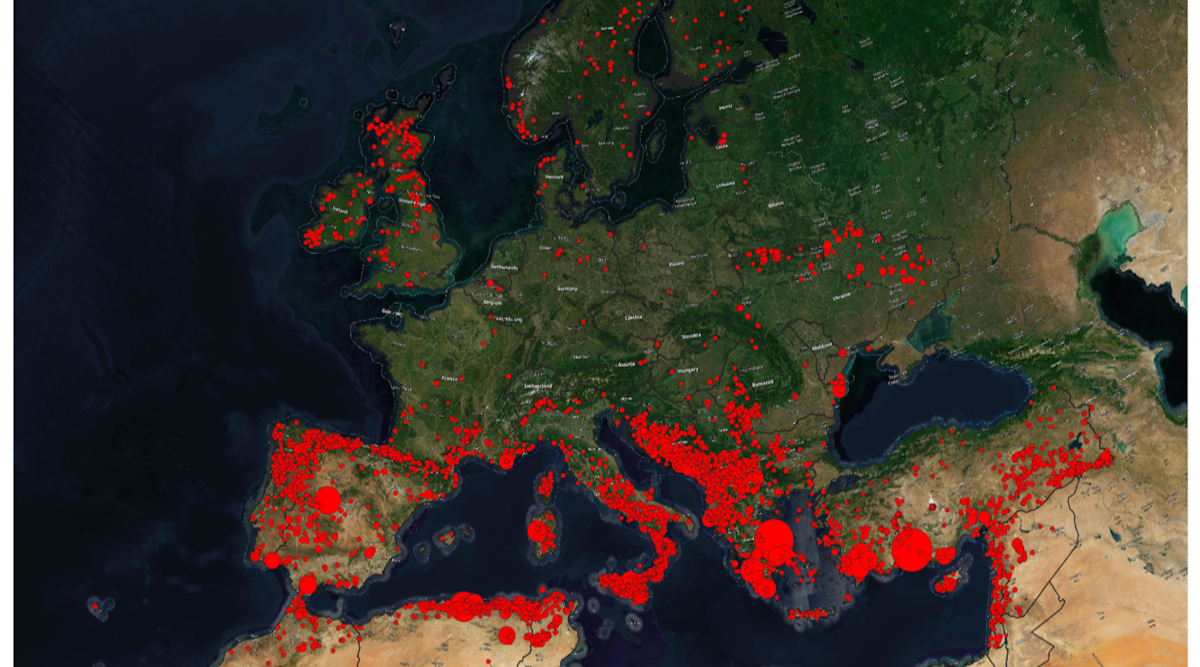
European automakers are pressing regulators to weaken electric vehicle mandates even as France and Spain face catastrophic wildfires that have displaced over 300,000 people. The timing underscores a fundamental tension between climate action and industry resistance to rapid decarbonization.
The wildfires ravaging southern Europe represent exactly the climate crisis that EV mandates aim to address. Rising temperatures from greenhouse gas emissions intensify wildfire conditions across the continent. Yet as communities grapple with displacement, homelessness, and economic devastation, major automotive manufacturers argue that strict EV adoption timelines impose unrealistic costs on their operations.
Traditional automakers claim they cannot meet the European Union's 2035 internal combustion engine phase-out deadline without substantial financial relief or regulatory relaxation. They cite supply chain constraints, battery costs, and consumer demand patterns as obstacles. Some manufacturers have lobbied for extended transition periods or reduced annual EV sales requirements.
This pressure comes as the EU's Corporate Sustainability Reporting Directive and related climate obligations tighten across the bloc. Germany, Europe's largest automaker hub, has experienced particular pressure from its domestic industry. French and Spanish regulators now face competing pressures: satisfy industry demands or maintain climate commitments tied directly to the disasters unfolding in their territories.
The contradiction proves stark. European Commission data shows transportation accounts for roughly 27 percent of the EU's greenhouse gas emissions, with road vehicles responsible for the majority. Delaying EV mandates directly extends the timeline for reducing transport emissions. Meanwhile, climate scientists link warming temperatures to extended fire seasons and intensified wildfire behavior across Mediterranean regions.
Displacement from these fires creates immediate humanitarian crises while undermining economic stability in affected regions. Rebuilding efforts will require substantial resources. Whether automakers' short-term cost concerns outweigh these mounting climate and social costs remains the central policy question facing European governments.