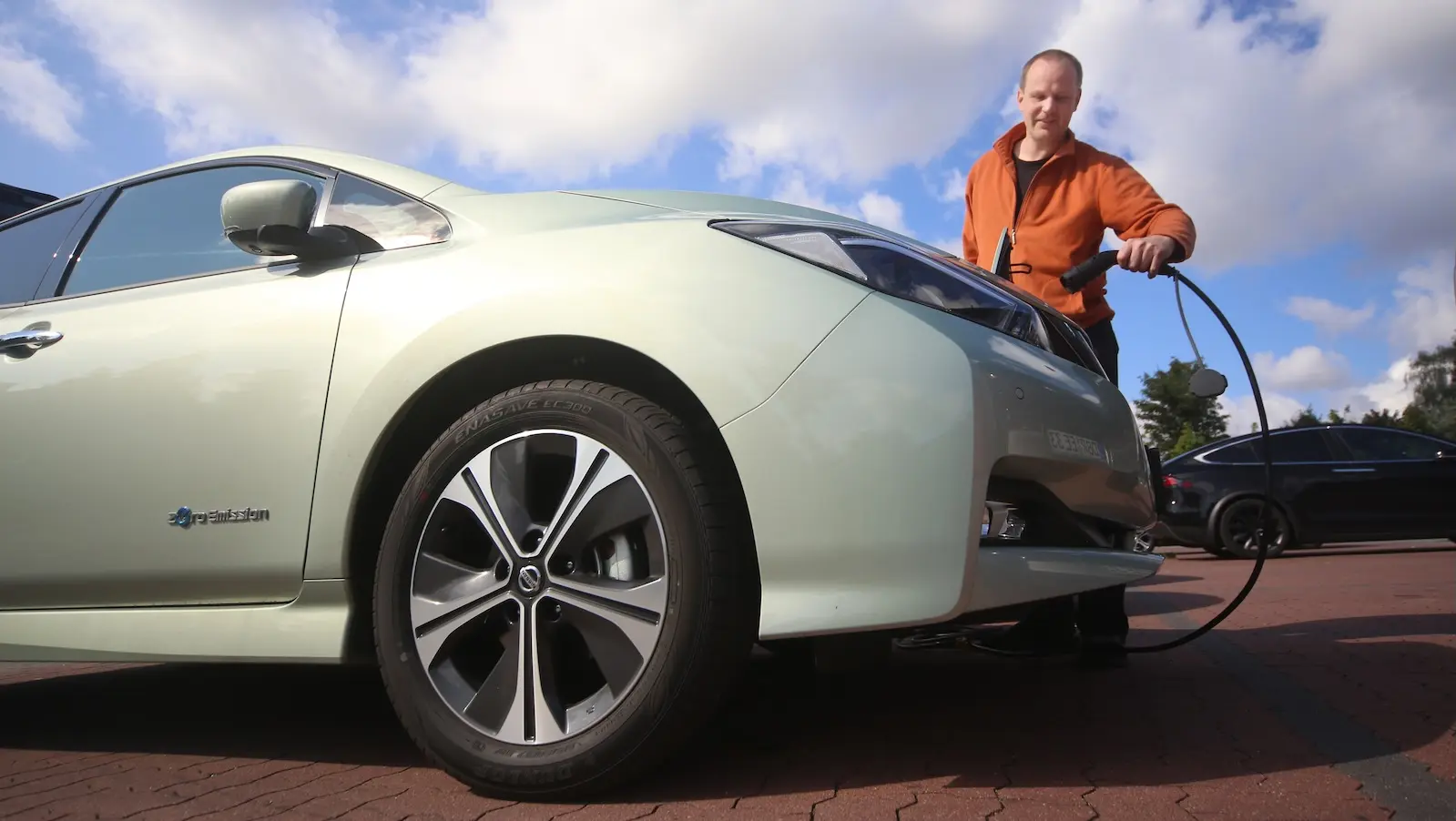
Electric vehicles equipped with bidirectional charging technology can stabilize power grids rather than strain them, according to emerging research and pilot programs. The technology, called vehicle-to-grid (V2G), allows EVs to discharge stored electricity back into the grid during peak demand periods or when renewable energy supplies dip.
Current concerns about grid capacity stem from projections showing millions of EVs charging simultaneously. However, V2G systems flip this equation. During off-peak hours, vehicles charge when renewable generation peaks or electricity rates drop. When demand surges, the accumulated battery capacity in parked vehicles becomes a distributed energy resource. A single EV battery stores 40 to 100 kilowatt-hours, comparable to a household's daily electricity consumption.
Pilot projects in California, Denmark, and Germany demonstrate feasibility. Utilities in those regions have deployed V2G infrastructure in fleets and workplace charging stations. Early data shows vehicles can provide grid services while maintaining sufficient charge for daily driving. The technology requires compatible hardware, software coordination between utilities and vehicle owners, and standardized communication protocols.
Battery degradation concerns persist among EV owners, though studies indicate V2G cycling has minimal impact on battery lifespan compared to driving itself. Tesla, Nissan, Hyundai, and BMW have integrated or announced V2G capabilities on recent models.
Regulatory frameworks remain fragmented. California approved V2G compensation mechanisms in 2022, establishing rates for grid services. European Union standards mandate V2G capability in new EV models by 2024. The United States lacks comprehensive federal guidelines, creating uncertainty for utilities planning infrastructure investments.
Grid operators estimate 50 million EVs with V2G capability could provide 10 gigawatts of flexible capacity, equivalent to several large power plants. This capacity would prove especially valuable as grids integrate higher percentages of intermittent renewable sources like wind and