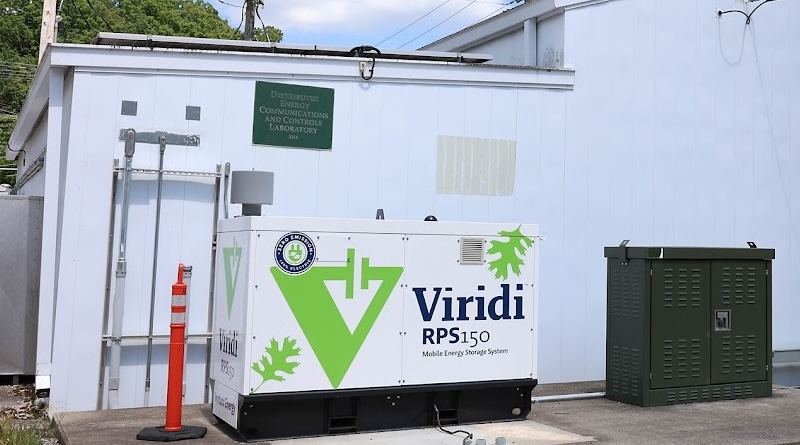
Distributed energy resources and virtual power plants are beginning to replace natural gas plants as the primary method for grid stabilization in the United States. Viridi, an energy storage startup, represents a growing class of companies deploying technologies designed to enhance grid resiliency while integrating renewable energy sources at scale.
Virtual power plants (VPPs) aggregate distributed energy resources, including rooftop solar installations, battery storage systems, and electric vehicle chargers, to function as a single power generation unit. This approach allows grid operators to balance supply and demand without relying on fossil fuel peaking plants that typically run only during high-demand periods. Distributed energy resources (DERs) encompass any small-scale generation or storage connected to local distribution networks, from residential solar arrays to community battery systems.
The shift addresses a fundamental challenge in grid modernization. Natural gas plants have long provided flexible capacity to handle demand spikes and renewable intermittency. However, battery storage costs have fallen 89 percent since 2010, making alternatives economically competitive. Energy storage systems can respond to grid demands in milliseconds, faster than traditional generation sources.
Grid modernization efforts focus on three core functions: energy storage capacity to hold power when renewables overproduce, demand-side management to shift consumption patterns, and software platforms that coordinate thousands of distributed assets. Companies like Viridi develop these coordination technologies, enabling real-time optimization across customer-owned solar, batteries, and loads.
Several US states have adopted regulatory frameworks supporting this transition. California requires utilities to source 60 percent of electricity from renewables by 2030, spurring investment in storage and VPP infrastructure. New York's Reforming the Energy Vision program explicitly targets DER integration as a replacement for traditional generation.
The financial case strengthens continuously. Natural gas plants require ongoing fuel purchases and maintenance, while storage systems operate with declining marginal costs once installed. Grid