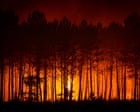
Firefighters across France and Spain face a shrinking window to contain massive wildfires before another heatwave hits midweek, officials warned Monday. Spain's Interior Minister Fernando Grande-Marlaska called Monday and Tuesday "absolutely crucial days" for suppression efforts. Prime Minister Pedro Sánchez characterized the situation bluntly: "We face difficult hours, complex hours ahead."
The timing creates a critical vulnerability. Temperatures will climb again from Wednesday onward, a shift that will hamper firefighting operations across both nations. Higher heat accelerates fire spread, reduces humidity that slows combustion, and strains crews already working at maximum capacity.
Spain and France have deployed substantial firefighting resources in recent weeks as multiple fires spread across dry vegetation. The incoming heatwave threatens to reverse any progress made during the current window of slightly lower temperatures. Firefighters typically gain ground during cooler periods when relative humidity rises and fire behavior becomes more predictable.
Climate conditions across southern Europe remain volatile. Extended drought has left vegetation in Mediterranean regions extremely vulnerable to ignition. When fresh heat arrives, existing fires will intensify, and new ignitions become more likely.
Both nations have activated emergency protocols and called in additional crews. Spain's statement emphasizes that the next 48 hours represent the last realistic opportunity to significantly reduce fire perimeters before conditions worsen. Once the heatwave begins, resources will shift from containment toward defensive operations protecting populated areas and critical infrastructure.
The pattern reflects broader climate trends across Europe. Heat-driven fire seasons have extended in duration and intensity over the past decade. Scientists attribute the shift to rising average temperatures that dry vegetation earlier in spring and maintain dangerous conditions later into autumn. Summer heatwaves now strike with greater frequency and severity.
Officials across both countries stress that public compliance with fire restrictions remains essential. Uncontrolled burns, discarded cigarettes, and improperly maintained equipment