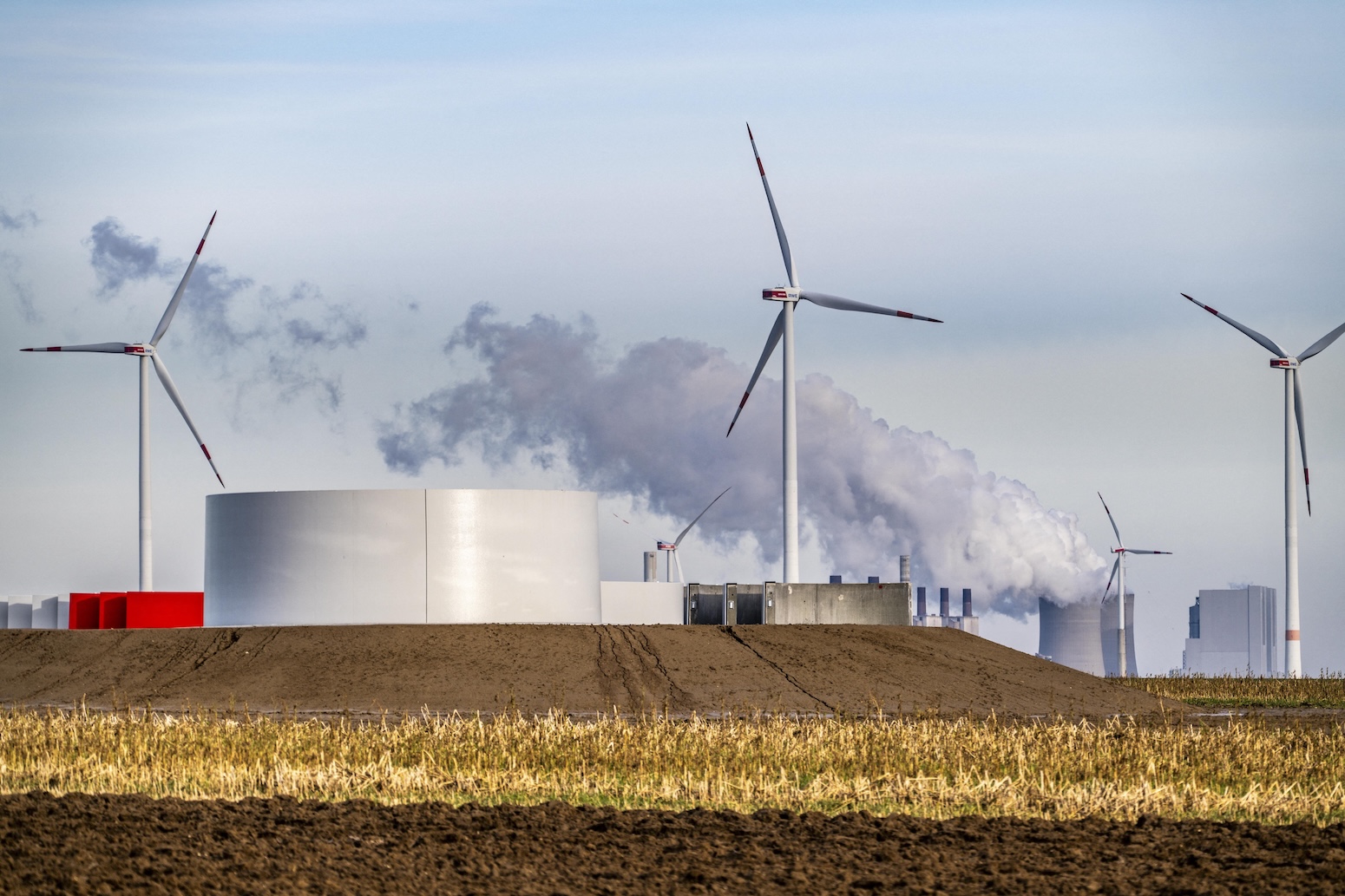
Germany generated more electricity from wind and solar power than fossil fuels in 2025, marking a historic shift in the nation's energy mix. This milestone reflects the success of the country's Energiewende policy, a decades-long transition away from coal and nuclear power toward renewables.
Renewable sources now account for a larger share of Germany's grid than combined coal, natural gas, and oil generation. Wind power remains the dominant renewable contributor, with onshore and offshore installations supplying substantial capacity year-round. Solar installations have expanded dramatically across rooftops and utility-scale farms, particularly in southern regions.
The achievement comes as Germany accelerates its climate targets. The country aims to reach 80 percent renewable electricity by 2030, up from a previous 65 percent goal. This acceleration requires continued investment in wind farms, solar arrays, and battery storage systems to manage intermittency.
Grid operators faced challenges managing the transition. Higher renewable penetration demands upgraded transmission infrastructure and flexible backup systems. Germany maintains some coal plants for grid stability, though their operating hours continue declining. Natural gas serves as a transitional fuel bridge, though its use in power generation has fallen substantially.
The crossover benchmark holds significance beyond Germany's borders. As Europe's largest economy and industrial hub, Germany's renewable majority demonstrates the technical and economic feasibility of rapid energy transition at scale. Other EU nations now face pressure to accelerate their own timelines.
Germany's achievement also reflects regional advantages. Strong northern winds power extensive offshore wind farms in the North Sea. However, the country remains weather-dependent for renewable output, creating seasonal variation. Cold, cloudy winters typically see lower solar generation and higher energy demand, complicating grid management.
Nuclear phase-out decisions shaped this transition. Germany closed its final three reactors in 2023, eliminating a low-carbon power source and forcing greater reliance on renewables and storage solutions. The decision