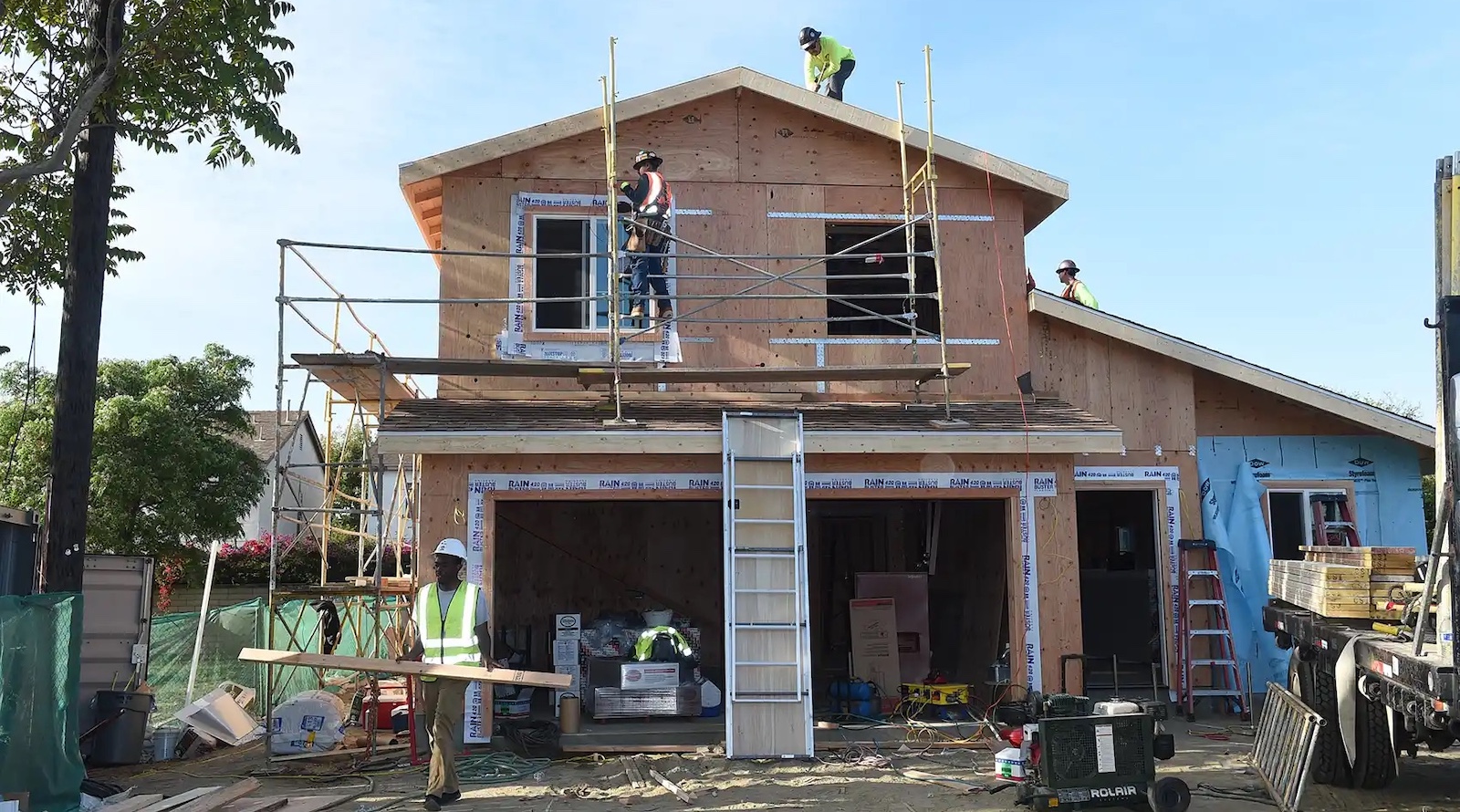
Four companies are partnering with National Laboratory experts to deploy clean energy technologies in vulnerable communities, addressing housing reconstruction, cooling access, and grid modernization following the 2025 Palisades and Eaton wildfires in Los Angeles County.
The fires destroyed over 13,000 homes, yet rebuilding has stalled with fewer than a dozen reconstructed a year later. The initiative targets this crisis by combining affordable housing development with renewable energy infrastructure and resilience measures. National laboratories are providing technical expertise to accelerate deployment of solar systems, battery storage, and grid-responsive technologies that reduce costs while improving community preparedness for future disasters.
Cooling centers represent another priority. Heat waves increasingly threaten low-income residents lacking air conditioning. The partnership deploys distributed solar and battery systems to power emergency cooling facilities, ensuring vulnerable populations access temperature-controlled spaces during extreme weather events. These installations also strengthen local grid stability during peak demand periods.
Grid modernization efforts focus on speed and reliability. The companies are implementing demand-response systems and microgrids that isolate from the larger network during emergencies, protecting communities from widespread outages. Battery storage paired with rooftop solar creates energy independence while reducing peak loads on aging infrastructure.
Cost remains central. By combining federal laboratory research with commercial deployment, the partnership reduces per-unit expenses for renewable systems, making electrification economically viable for lower-income households. This approach differs from traditional utility-scale projects by centering community benefit as the primary metric alongside emissions reductions.
The initiative reflects growing recognition that climate resilience and energy equity are inseparable. Wildfire-prone regions cannot rely solely on grid reconstruction; distributed generation and storage create redundancy. Affordable housing built with integrated solar and storage becomes a dual asset, serving as both shelter and community infrastructure.
National laboratories contribute technical capacity that commercial partners alone cannot provide. Research into battery performance, microgrid controls, and