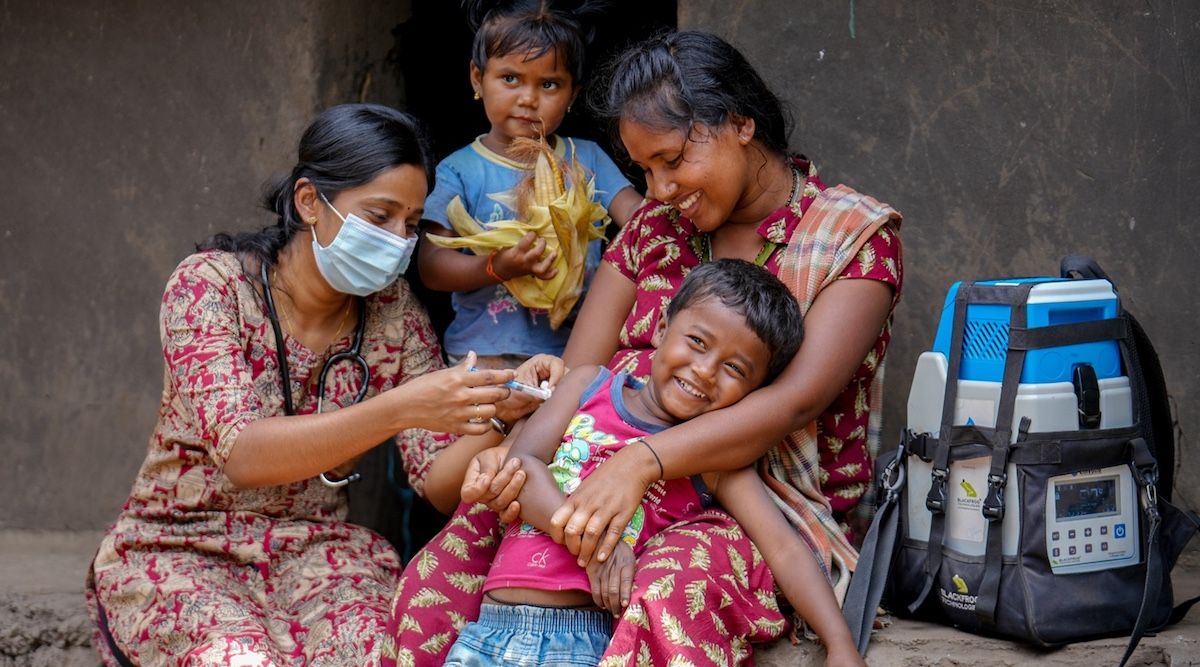
The Zayed Sustainability Prize's Beyond2020 initiative has deployed six solar-powered health facilities across rural Karnataka, India, extending reliable healthcare access to over 200,000 people. The solar installations eliminate dependence on unreliable grid electricity that previously disrupted medical services in remote areas.
The initiative addresses a documented gap in healthcare infrastructure for underserved populations. Rural health facilities in India frequently face power interruptions that compromise diagnostic equipment, refrigeration for vaccines, and lighting for emergency procedures. Solar power provides consistent energy independence.
Beyond2020 operates as the implementation arm of the Zayed Sustainability Prize, a UAE-based award program focused on scaling innovative solutions to global environmental and social challenges. The prize identifies successful interventions and funds their expansion to new regions and populations.
The Karnataka deployment represents a model for broader rollout. Each facility generates sufficient solar capacity to power essential medical equipment including examination lights, refrigeration units for medicines and vaccines, and basic diagnostic tools. The systems include battery storage to maintain power during nighttime hours and cloudy periods.
Healthcare resilience in rural India depends heavily on energy access. The World Health Organization estimates that 45 percent of health facilities in sub-Saharan Africa and South Asia lack reliable electricity. Solar installation removes this barrier without requiring grid infrastructure expansion or ongoing fuel costs.
The initiative connects renewable energy deployment directly to health outcomes rather than treating sustainability as separate from development. Rural clinics staffed with nurses and basic medical personnel can now operate extended hours and store temperature-sensitive medications reliably.
Beyond2020 plans to scale the solar health centre model to additional states. The initiative documents performance metrics including patient visit frequency, vaccine coverage rates, and equipment uptime to measure healthcare impact alongside energy generation. This data-driven approach establishes replicable standards for solar integration in rural medical infrastructure.
The project demonstrates that renewable energy investment in developing regions serves dual purposes. It reduces