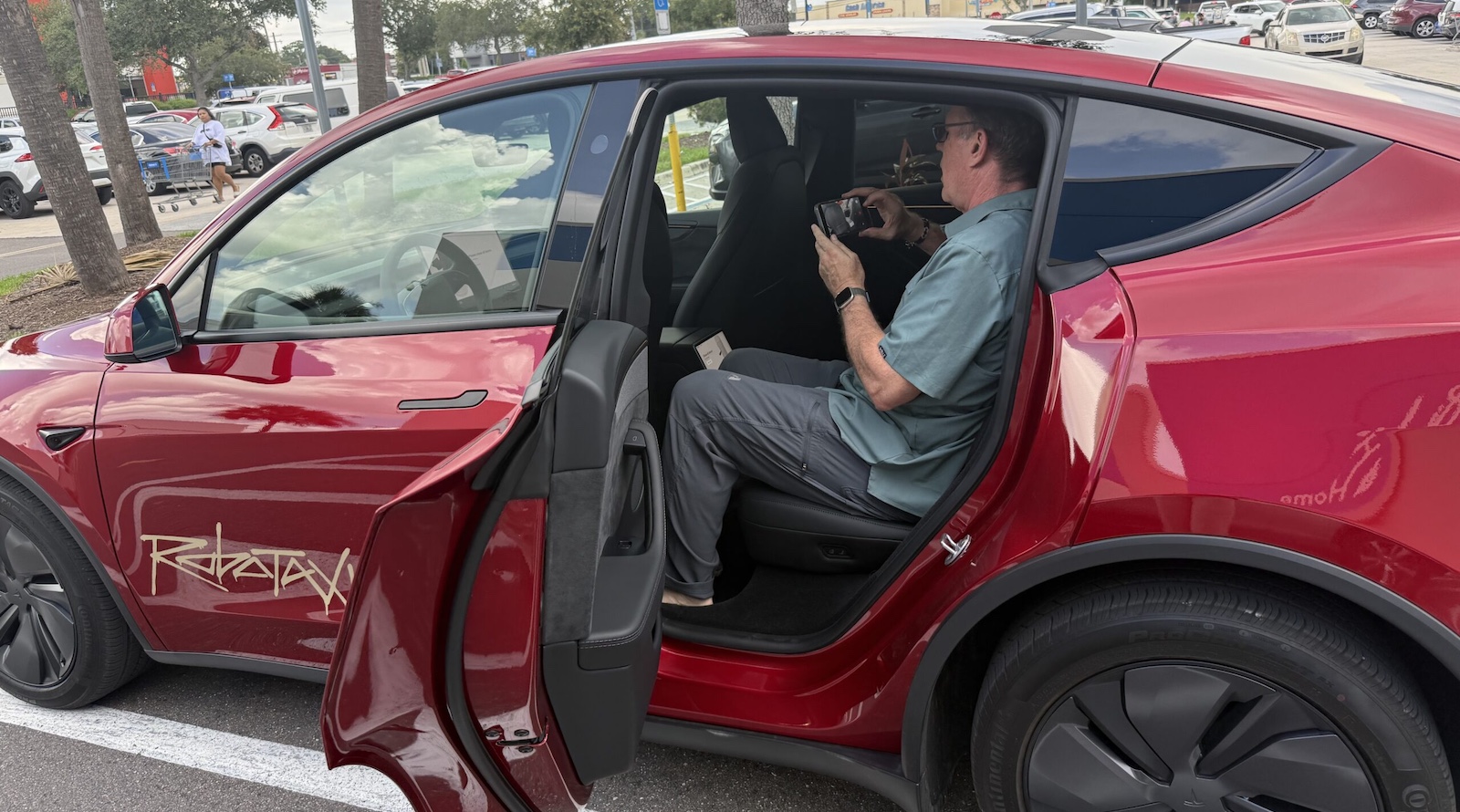
Tesla and Waymo are both expanding autonomous vehicle operations into Tampa, Florida, marking another step in the commercialization of driverless taxi services across U.S. cities. The two companies are deploying their robotaxi fleets in the same metropolitan area, intensifying competition in the autonomous vehicle market.
Tesla's Robotaxi service launched test operations in Tampa following earlier deployments in other markets. The company encountered initial technical challenges, including connectivity issues that delayed ride requests. Despite these early friction points, Tesla proceeded with passenger rides, documenting the service through video and photographic evidence of real-world performance.
Waymo has also positioned itself in Tampa's transportation landscape. The company, owned by Alphabet, operates one of the most established autonomous ride-hailing services in the United States. Waymo's presence in Tampa expands its footprint beyond existing operations in cities like San Francisco, Phoenix, and Los Angeles.
The parallel expansion reflects growing confidence in autonomous vehicle technology among major tech companies. Both services operate without human safety drivers in their current Tampa deployments, representing a shift toward fully driverless commercial operations. The vehicles use computer vision, lidar sensors, and artificial intelligence to navigate city streets and respond to traffic conditions.
Tampa's selection as an expansion market follows the city's growing tech infrastructure and relatively favorable regulatory environment for autonomous vehicle testing. Florida has positioned itself as open to autonomous vehicle development, with multiple companies conducting operations throughout the state.
The competition between Tesla and Waymo in Tampa creates a natural testing ground for comparing their respective technologies and service models. Waymo charges per ride through its app-based system, while Tesla's robotaxi pricing structure operates on a per-mile basis similar to traditional ride-sharing.
Both companies face ongoing challenges including regulatory approval, public acceptance, and technical reliability in real-world conditions. Initial test rides in Tampa will generate performance data critical to scaling operations. The