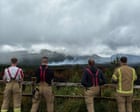
A wildfire burning through Scotland's Cairngorms National Park for 12 days has transformed vast tracts of moorland and forest into blackened wasteland, with recovery potentially requiring decades or longer. Large areas remained actively burning as of Sunday, with smoke plumes visible across the landscape and the night sky glowing orange from the flames.
The fire ranks among the worst blazes the national park has ever experienced. Aerial surveys revealed extensive charred terrain once officials could see through low cloud cover, though the full extent of damage remained unclear as firefighting efforts continued.
Cairngorms National Park encompasses over 4,500 square kilometers of protected habitat in the Scottish Highlands, including some of Britain's highest mountains, ancient pine forests, and critical wildlife corridors. The park supports populations of golden eagles, red squirrels, wildcats, and other species dependent on intact heather moorland and forest ecosystems.
Wildfires in Scotland have intensified in recent years due to warming temperatures and changing precipitation patterns. The 2023 wildfire season saw multiple significant blazes across the country, with climate models projecting longer fire seasons and more severe burns as global temperatures continue rising.
Restoring burned moorland and forest typically requires years of active management, including erosion control, replanting efforts, and protection from grazing animals that can prevent vegetation recovery. In some cases, especially at higher elevations where soil has been severely damaged, natural regeneration may take decades.
The fire's timing compounds ecological pressures. Spring and early summer mark breeding seasons for many species that inhabit the park. Habitat loss during these critical weeks can reduce breeding success and survival rates for young animals.
Scottish wildfire services faced significant strain managing the blaze amid ongoing drought conditions across parts of Scotland. The combination of dry vegetation, warm temperatures, and low humidity created ideal conditions for rapid fire spread and intensity.
Officials have not yet