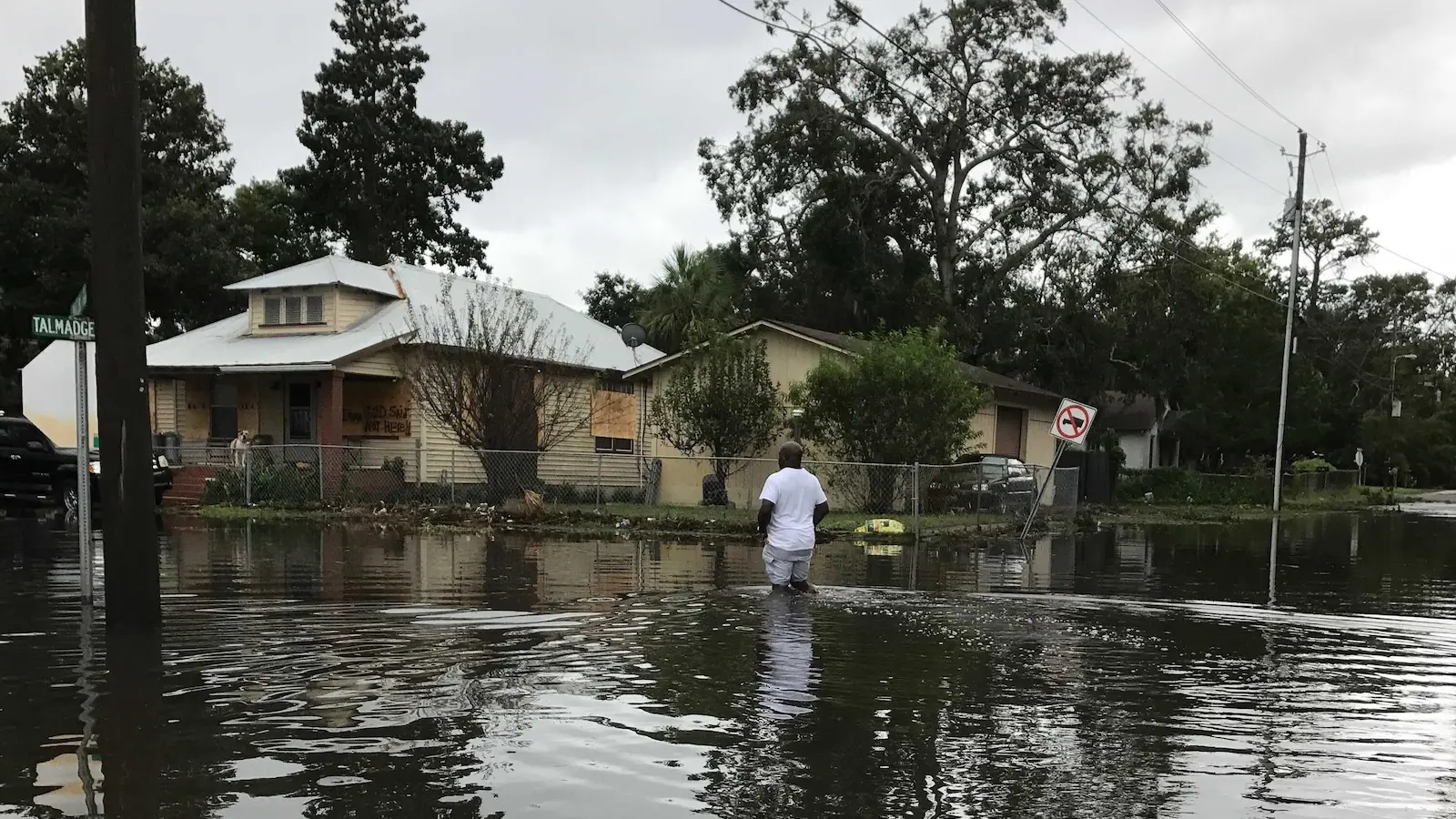
Georgia's coast faces a compounding threat as rising seas accelerate the release of buried industrial toxins. The University of Georgia established the state's first Superfund Research Center to investigate how climate change is mobilizing decades of accumulated pollution in contaminated coastal sites.
Sea level rise in Georgia currently exceeds the global average by roughly 4.5 millimeters annually, according to National Oceanic and Atmospheric Administration data. This accelerated inundation threatens to breach containment systems at brownfields and Superfund sites where industrial waste has been stored or remediated. Saltwater intrusion into these areas can destabilize chemical compounds, mobilize heavy metals, and breach protective barriers designed for stable ground conditions.
The research center focuses on understanding how flooding, erosion, and subsidence interact with contaminated soil and groundwater across coastal Georgia's industrial zones. The state hosts numerous sites tied to shipbuilding, chemical manufacturing, and petroleum refining. Many contain PCBs, arsenic, lead, and other persistent organic pollutants that pose health risks through water contamination and dietary exposure via seafood.
The stakes extend beyond environmental remediation costs. Communities adjacent to these sites, predominantly low-income and communities of color, face heightened exposure to resurfacing contaminants. Coastal Georgia's Savannah region, home to major port operations and historical industrial activity, sits particularly vulnerable. Storm surge and chronic flooding create pathways for pollutants to migrate into drinking water supplies and agricultural systems.
Federal agencies including the Environmental Protection Agency recognize the problem. The EPA has identified climate-driven remobilization of legacy pollution as a priority research area under its Superfund program. However, funding constraints limit how many sites receive comprehensive climate adaptation assessments before inundation accelerates.
The University of Georgia's center represents a critical step toward mapping vulnerability and developing protective strategies. Researchers are modeling scenarios under different sea level