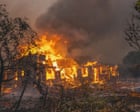
Spain's prime minister invoked the climate crisis as firefighters across the Iberian peninsula battled widespread wildfires. Pedro Sánchez attributed the blazes to climate emergency effects, linking atmospheric conditions to worsening fire behavior across the region.
In France, a massive wildfire near Bordeaux resisted containment efforts Saturday night as wind gusts complicated suppression operations. Forecasters predicted another heatwave, threatening to amplify fire intensity and spread. The blaze joined active fires near Madrid, which authorities reported coming under control by comparison.
The convergence of multiple fire fronts across Spain and France reflects broader European wildfire patterns tied to heat and drought. Meteorological conditions including wind-driven fire spread and pyrocumulonimbus cloud formation, which generates its own weather system above active flames, compound firefighting challenges. These atmospheric phenomena create unpredictable fire behavior that standard suppression tactics struggle to counter.
Climate data consistently shows European summers growing hotter and drier. Heat waves trigger rapid fuel drying, extending fire seasons and intensifying burn intensity. Wind patterns amplify this threat by carrying flames across landscape barriers that normally slow spread. The succession of heat events forecast through the fire season compounds cumulative stress on suppression resources and personnel.
Sánchez's statement marks political acknowledgment of climate-fire linkages at the national level. Spain faces mounting fire seasons that strain budgets and infrastructure. The Iberian peninsula sits at climate change's European frontline, with warming rates exceeding global averages. Mediterranean regions experience particularly acute wildfire risk as temperature and precipitation patterns shift toward conditions favoring ignition and spread.
Forecasters expect continued heatwave development through the coming weeks, sustaining elevated fire danger across southern Europe. Suppression agencies from multiple nations coordinate response, but atmospheric conditions ultimately determine outbreak severity. The pattern reflects climate system changes already locked into coming decades even under aggressive