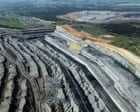
New South Wales residents opposing a major coalmine expansion worry the project will degrade their children's future despite the state government's climate commitments. The Minns government pledged not to approve new coalmines but permits expansions of existing operations, a distinction that allows fossil fuel production to grow.
The proposed extension ranks among NSW's largest coalmine projects. Local communities fear air and water quality degradation, increased truck traffic, and health impacts from dust and emissions. The expansion contradicts NSW's obligation to meet national climate targets under Australia's Nationally Determined Contribution.
NSW trails on emissions reductions. The state committed to cutting greenhouse gas emissions 70 percent below 2005 levels by 2035 under federal climate policy, yet continues permitting coal extraction expansion. Mining contributes directly to emissions through extraction operations and indirectly through the combustion of exported coal globally.
The Minns government's loophole distinguishes between new mines and expansions of existing sites. This permits coal production to increase without technically violating the "no new coalmines" pledge. Environmental groups and local activists argue the policy lacks substance. Each expansion locks in decades of additional carbon emissions and delays the transition away from fossil fuels.
Coal mining remains economically important to regional NSW communities. Operators argue expansions maintain jobs and local revenue. However, mounting health costs from air pollution and climate-related disasters increasingly strain regional budgets and quality of life.
The decision tests the government's climate credentials. Australia's largest coal exporter status already places pressure on federal climate commitments. Approving major mine expansions signals continued reliance on fossil fuel revenue despite international climate agreements and renewable energy growth.
Communities seek stricter environmental reviews and consideration of long-term health costs. The approval process will determine whether NSW prioritizes short-term mining revenue or implements climate policy with enforceable restrictions on coal production expansion.