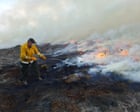
A major wildfire in Scotland's Cairngorms National Park forced the evacuation of Nethy Bridge before crews contained the threat, allowing residents to return home. The fire burned for ten days across the protected landscape before firefighters, gamekeepers, and contractors brought it under control.
Police Scotland Superintendent Judy Hill credited the coordinated response for eliminating the immediate danger that triggered the evacuation. The Scottish Government had requested UK military assistance to combat the blaze, signaling the scale of the emergency. First Minister John Swinney thanked residents for their cooperation during the evacuation and acknowledged the work of emergency responders.
Wildfires in Scotland have intensified in recent years as warming temperatures and drier conditions extend the fire season. The Cairngorms, Britain's largest national park covering 1,600 square kilometers of moorland and forest, faces particular risk during dry spells. Peatlands in the region burn slowly and release carbon stored for centuries when ignited, amplifying climate impacts beyond the immediate fire zone.
The evacuation of Nethy Bridge reflects growing vulnerability of rural communities to extreme weather events. Climate projections indicate Scotland will experience more frequent droughts and longer fire seasons through the 2030s. The Cairngorms fire response demonstrates both the operational challenges of battling large wildfires in remote terrain and the readiness of emergency services to escalate coordination across agencies when threats mount.
The successful containment and resident return mark a contained outcome, though the underlying environmental pressures driving larger and more frequent fires remain unresolved. Scotland's Fire and Rescue Service has expanded resources for wildfire response in recent years, but prevention through landscape management and emission reductions represents the long-term necessity.