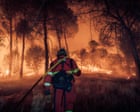
Wildfires across France and Spain have reached alarming scale as officials warn blazes could persist into November, with another heatwave forecast this week. Spanish authorities report that over 170,000 hectares of forest have burned since January, nearly six times the 29,000 hectares recorded in the same period last year. Thirty-five major fires have ignited across Spain so far.
Firefighters continue battling active blazes in both countries. The situation reflects a widening trend of extended fire seasons tied to rising temperatures and prolonged drought conditions. European heatwaves have become more frequent and intense, lengthening the period during which vegetation remains dry enough to ignite and spread flames rapidly.
Officials' projection that fires could burn into November marks a departure from historical norms, when autumn rains typically extinguish remaining blazes. The warning signals that climate conditions now support wildfire activity deep into late fall, pushing the typical fire season's boundaries.
The spike in burned area year-over-year demonstrates how quickly conditions shift. A sixfold increase between 2025 and 2026 in Spanish forest losses reflects both the severity of this year's heatwave and the vulnerability of already-stressed ecosystems. Recurring droughts deplete soil moisture and weaken trees, making them tinder-dry and susceptible to rapid fire spread.
France's Bordeaux region has forced evacuations as firefighters confront intense conditions. Residents described the evacuation experience as resembling a disaster film. The combination of extreme heat, low humidity, and strong winds creates conditions where fires spread faster than suppression crews can contain them.
These fires carry cascading impacts. Burned forests release stored carbon into the atmosphere, accelerating climate warming. Ecosystems require decades to recover. Air quality deteriorates across regions, affecting public health. Communities face repeated displacement and economic losses.
The emerging