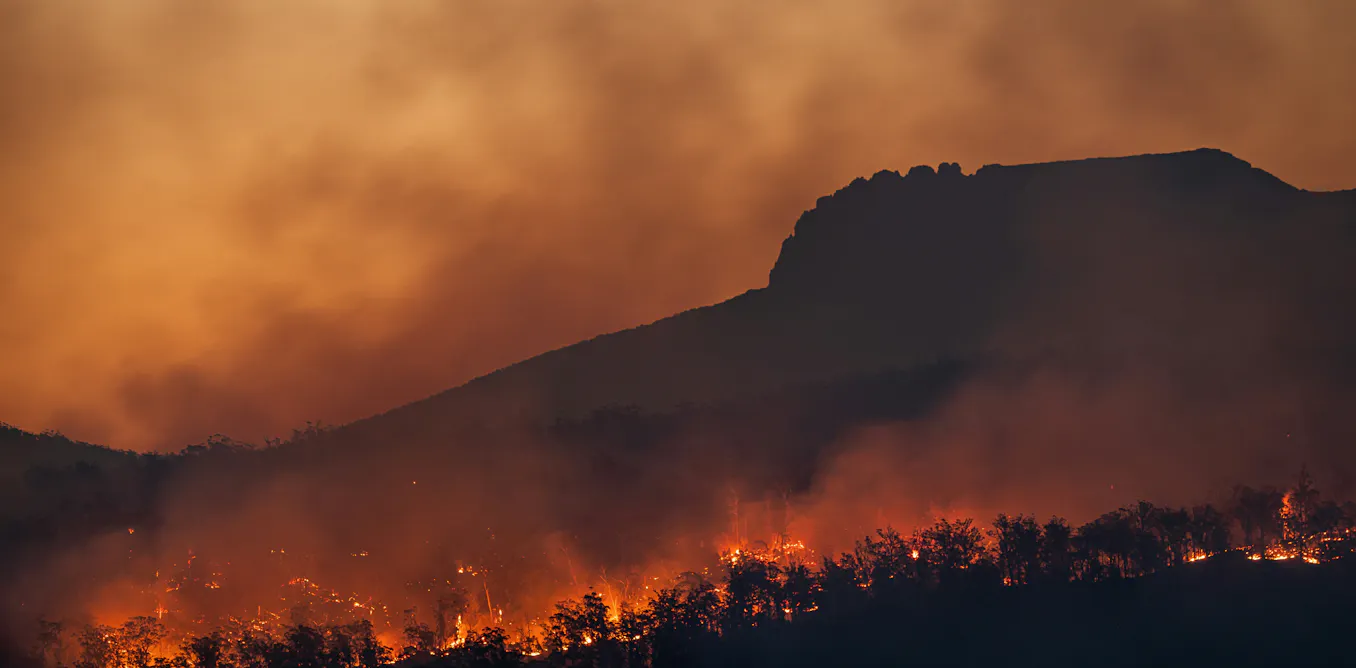
Australia operates one of the world's most sophisticated wildfire early warning and response systems, built through decades of managing frequent, large-scale fires across diverse terrain. The country's integrated approach combines real-time satellite monitoring, weather prediction models, and coordinated state and federal response protocols that activate automatically when fire danger reaches critical thresholds.
The Australian system relies on the Forest Fire Danger Index, which calculates risk based on temperature, humidity, wind speed, and soil moisture. This data feeds into the Bushfire and Natural Hazards Cooperative Research Centre, which issues color-coded warnings to the public and emergency services. When conditions warrant, the system triggers pre-positioned resource deployment, preventing bottlenecks that plague reactive approaches.
The UK's system operates differently, emphasizing regional coordination without the same centralized trigger mechanism. The UK Fire and Rescue Services rely on Met Office forecasts and localized risk assessments, but lack Australia's unified national alert structure. This decentralization works during typical fire seasons but creates vulnerabilities during extreme weather events that cross jurisdictional boundaries.
Key differences emerge in resource pre-positioning. Australia statistically positions firefighting crews, helicopters, and water-bombing aircraft before peak fire season arrives. The UK typically mobilizes resources only after fires ignite, a strategy that works during calm years but fails when fires spread faster than crews can respond.
Australia's experience after the catastrophic 2019-2020 Black Summer fires drove system improvements. Officials implemented enhanced training protocols, invested in additional water-bombing capacity, and upgraded satellite monitoring technology. These investments followed hard lessons: fires that year killed 33 people and burned 18.6 million hectares.
The UK faces different fire dynamics than Australia. Lower average temperatures and higher humidity mean fewer fire days annually. However, climate change is extending fire seasons and intensifying drought conditions. The 2022 summer produced record-breaking