The European Commission released revised plans for the EU Emissions Trading System (ETS) that delay deeper carbon cuts. Starting in 2031, the bloc's carbon market will reduce emissions more gradually than previously scheduled under the original climate framework.
The ETS functions as Europe's primary policy lever for industrial emissions. It caps total emissions across power generation, manufacturing, and aviation, then allows companies to trade allowances. The system covers roughly 40 percent of EU greenhouse gas emissions.
The Commission's new proposal modifies the annual emission reduction rate beginning in 2031. Under the previous pathway, the ETS was set to slash covered sectors' emissions by 55 percent between 2005 and 2030. The revised schedule extends this trajectory beyond 2030 at a slower pace, softening compliance pressure on heavy industries.
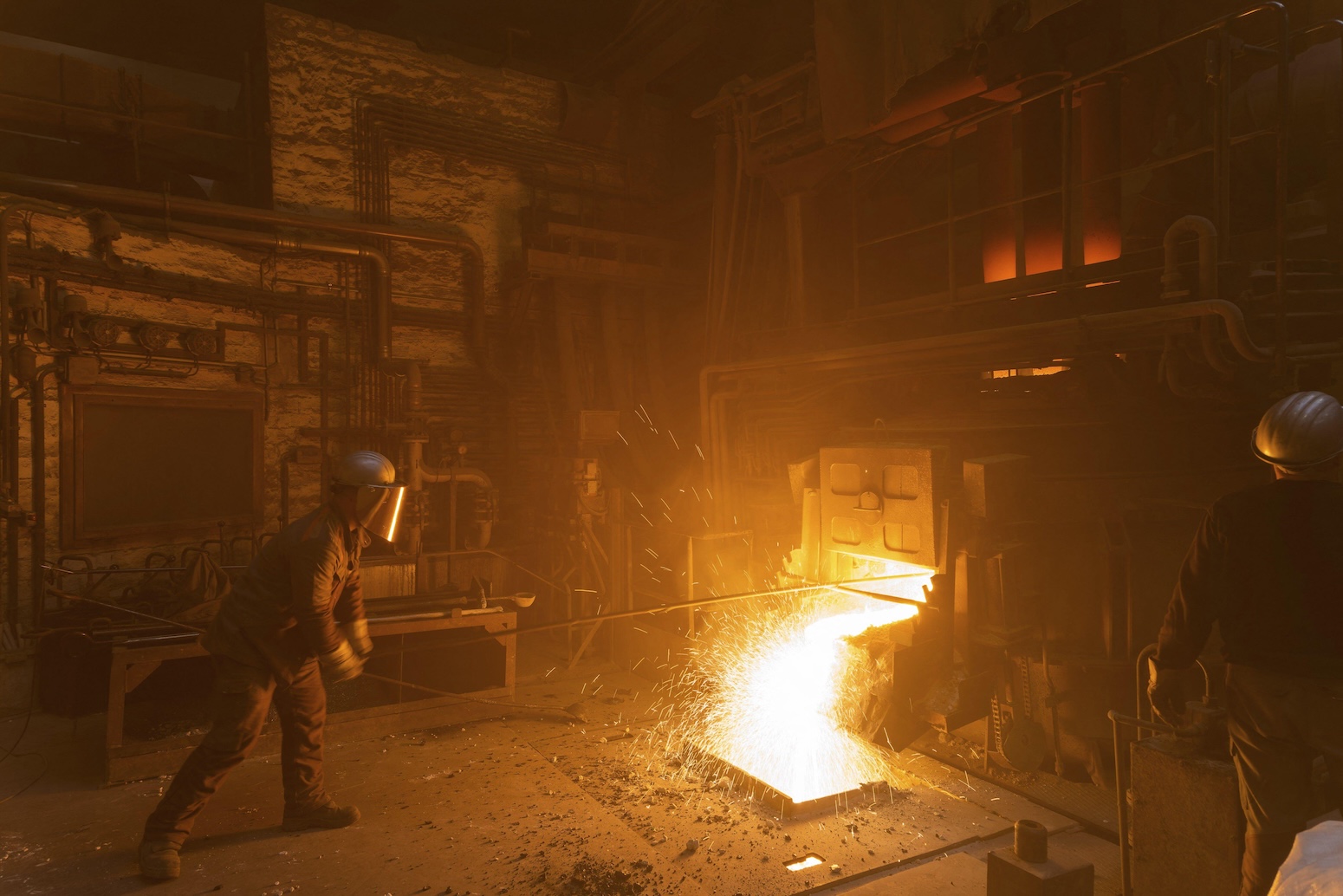
This adjustment reflects pushback from member states and industrial lobbies concerned about competitiveness. Steel, cement, and chemical manufacturers warned that aggressive carbon pricing could push production outside Europe to countries with weaker climate rules. The Commission balanced climate commitments against economic concerns about carbon leakage.
The timing matters. The review occurs as the EU faces recession pressures and industrial investment uncertainty. Policymakers argue that a gentler slope post-2031 allows businesses time to transition technologies while maintaining long-term decarbonization targets. Critics contend the slowdown weakens 2030 climate goals and hands polluters a reprieve when emissions reductions require acceleration.
The ETS price currently hovers around €80 per ton of CO2. Companies operating under the system pass carbon costs to consumers, creating market pressure for efficiency improvements and renewable energy adoption. A slower reduction trajectory could suppress carbon prices, reducing that financial incentive for emissions cuts.
The EU remains legally bound to carbon neutrality by 2050 under the European Climate Law. However, interim targets between now and 2050