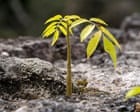
In Guatemala's Maya Biosphere Reserve, a model of sustainable forestry is demonstrating that local communities can increase forest cover while harvesting timber commercially. The reserve, managed by indigenous and rural communities, combines legal logging operations with aggressive reforestation, creating what researchers call "green islands" that buck Central America's broader deforestation trend.
The system operates through selective harvesting. Workers fell valuable species like mahogany and cedar using mechanical equipment, but only remove trees according to strict management plans that permit extraction of perhaps one tree per hectare across multi-year cycles. This selective approach differs sharply from industrial clear-cutting that has stripped 40 percent of Guatemala's forests since 1990.
The key to the model's success lies in community ownership and long-term incentives. Local ejidos, or communal land organizations, hold logging concessions and retain revenues from timber sales. This financial stake creates motivation to protect forests rather than deplete them. Between harvests, communities plant native saplings in cleared areas and allow natural regeneration, expanding total forest cover.
Data from the reserve shows forest area has grown in recent years even as harvesting continues. Trees removed for timber are replaced by dozens of younger trees entering the canopy. The approach contrasts with patterns across Central America, where deforestation accelerated to 3.2 million hectares annually between 2010 and 2020, according to FAO estimates.
The model addresses a persistent conservation paradox. Protected areas managed by external authorities often fail when local people see forests as obstacles to economic survival. Communities dependent on forest resources for income invest in protection and sustainable use. The Maya reserve demonstrates that conservation succeeds when tied to tangible economic returns for those living within and around forested areas.
Guatemala's experience offers lessons for other tropical regions facing pressure to convert forest to pasture and agriculture. When communities control forest resources and capture logging revenues, they have