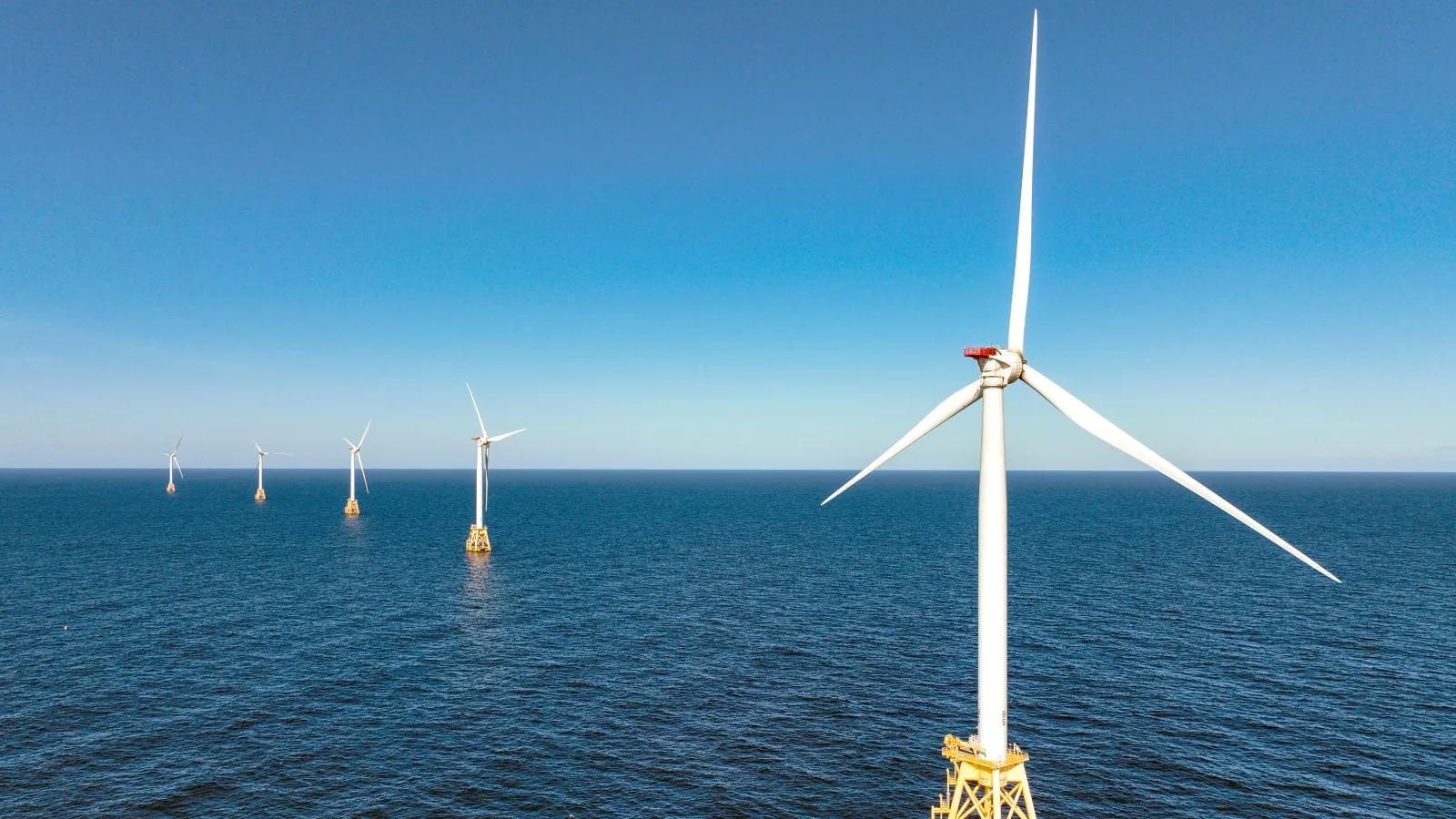
Offshore wind turbines installed off the New England coast over the past year provided critical grid support during recent extreme heat events, reducing reliance on costly and polluting oil-fired power plants.
The region added dozens of turbines to its offshore wind capacity since summer 2023. During the recent heat wave, when electricity demand surged for air conditioning and cooling, these turbines generated substantial power alongside other renewable sources. Grid operators credited the combined output from wind and solar installations with lowering the need to fire up aging oil plants, which remain operational but increasingly expensive to run.
New England's electricity grid historically depended on oil generation during peak demand periods. Offshore wind turbines, particularly those in the Atlantic waters off Massachusetts and Rhode Island, now provide a cleaner alternative that reduces both carbon emissions and fuel costs. The turbines operated efficiently during the heat events, demonstrating renewable energy's capacity to meet demand during vulnerable periods.
The region's renewable energy expansion reflects broader policy efforts. Massachusetts and other Northeast states have committed to 100 percent clean electricity by 2050, with interim targets requiring substantial offshore wind deployment. The recent additions represent progress toward those goals while delivering immediate operational benefits.
Climate models project heat waves will intensify and extend across New England as global temperatures rise. Grid operators face mounting pressure to maintain reliable service during these events without expanding fossil fuel infrastructure. Offshore wind capacity addresses both concerns simultaneously.
Energy analysts note the economic calculus has shifted decisively toward renewables. Operating existing oil plants costs significantly more per megawatt-hour than running established wind farms. The economic pressure, combined with environmental policy mandates and demonstrated performance during extreme weather, creates momentum for continued offshore development along the Atlantic seaboard.
New England's experience illustrates how renewable energy infrastructure integrates into grid operations and provides resilience during climate-driven stress events. As more turbines come online, fossil fuel dependence continues to decline.