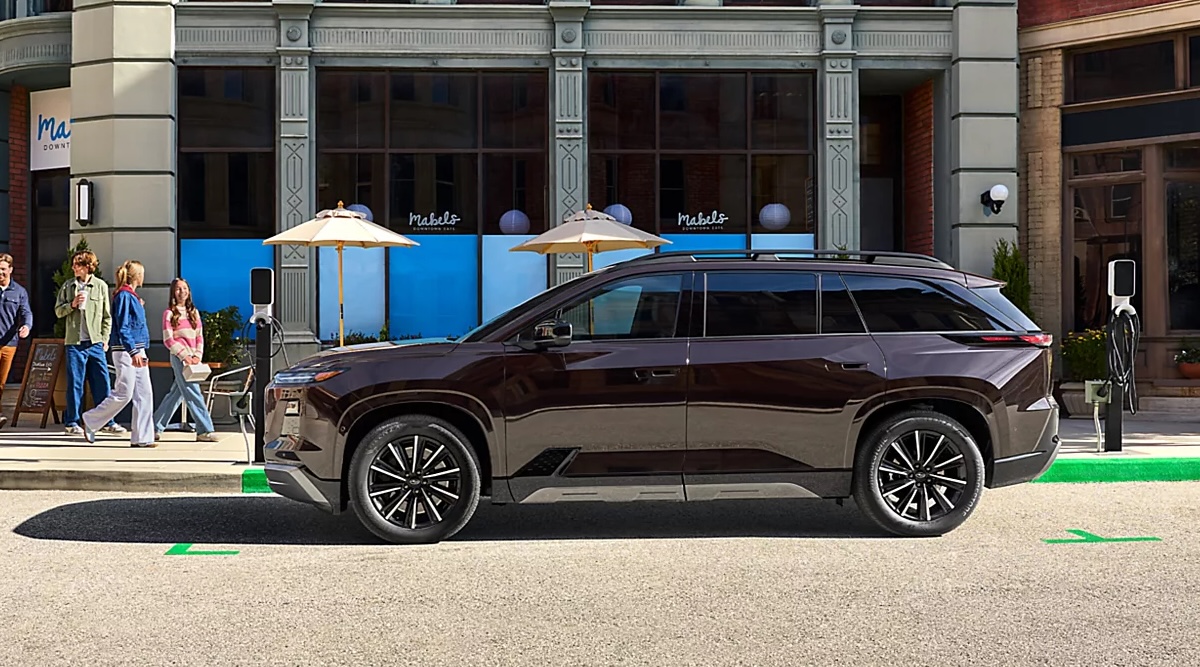
Subaru maintains momentum in the U.S. electric vehicle market even as the broader EV sector faces headwinds. The automaker continues selling electric vehicles at steady rates while competitors retreat or scale back production.
The company's EV lineup has attracted buyers despite a contracting market. Subaru's strategy differs from rivals who have slowed EV development or postponed launches. The automaker has kept pace with consumer demand for its existing electric models.
Production delays have affected Subaru's expansion plans. The Getaway, a three-row electric SUV positioned as a flagship model, has experienced setbacks in its manufacturing timeline. This delay comes as the company attempts to broaden its EV portfolio beyond current offerings.
The U.S. EV market faces structural challenges. Rising interest rates, supply chain disruptions, and charging infrastructure gaps have dampened overall sales growth. Consumers show hesitation about switching to electric vehicles, citing range anxiety and limited charging networks. Battery costs remain elevated despite falling prices in other markets.
Subaru's performance suggests selective customer bases continue purchasing electric vehicles. The automaker appeals to environmentally conscious buyers and early adopters willing to navigate the still-developing EV ecosystem. Subaru's brand loyalty has translated into consistent EV adoption among its existing customer base.
The Getaway delay reflects broader manufacturing complexities in EV production. Scaling battery production and securing supply chain access for components remain obstacles. Subaru must balance its commitment to electrification with realistic production capabilities.
Automakers face a critical junction. Companies that sustain EV development during market slowdowns position themselves for the eventual transition to electric powertrains. Subaru's continued investment signals confidence in long-term EV growth despite near-term market volatility.
The question of who buys these vehicles matters for understanding EV adoption patterns. Early purchasers tend to have higher inc