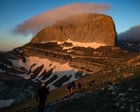
Greece is pursuing UNESCO World Heritage status for Mount Olympus, the 2,918-meter peak that stands as the nation's highest mountain. Officials have campaigned for decades to secure the coveted designation.
Evangelos Geroliolios, now mayor of Dion-Olympus, first climbed the mountain over 40 years ago. He describes the experience atop Zeus's mythical throne as transformative. His administrative role now involves stewarding the area surrounding the site as the bid advances.
The push for UNESCO recognition reflects Greece's effort to protect Mount Olympus's ecological and cultural value. The designation would elevate the mountain's international profile and potentially secure additional conservation resources and funding.
UNESCO World Heritage status operates on strict criteria. Sites must demonstrate outstanding universal value, whether cultural, natural, or mixed. Mountain ecosystems frequently qualify on grounds of biodiversity, geological significance, or both. Mount Olympus hosts endemic plant species and serves as critical habitat within the Mediterranean region's broader ecological framework.
The timing of Greece's bid aligns with mounting pressure to conserve Europe's natural heritage. Climate change poses accelerating threats to mountain ecosystems, with rising temperatures shifting vegetation zones upward and constraining habitats for alpine species. Protected status strengthens legal tools for addressing these pressures.
Greece's application enters a competitive global process. UNESCO evaluates hundreds of nominations annually, with fewer than one-third achieving approval. The World Heritage Committee conducts rigorous assessments, consulting scientific advisors and examining management plans.
For Geroliolios and local officials, the phrase "no time to waste" underscores urgency. Environmental degradation and development pressure mount yearly. UNESCO recognition would strengthen regulatory frameworks preventing incompatible activities on the slopes and surrounding lands.
Mount Olympus already operates as a protected area under Greek law, designated as a National Park since 1938. The UNESCO bid