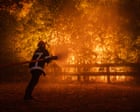
Europe's wildfire season has reached catastrophic scale across France and Spain, with flames destroying record areas of land as the continent enters its fourth heatwave of summer. The fires have forced the evacuation of 330,000 people from their homes, caused multiple deaths, and blanketed regions in toxic smoke.
France has already exceeded its worst previous year for total burned area, a threshold typically reached only after August. The country's historical summer peak month remains ahead, indicating further deterioration is likely. Spain faces similarly severe conditions, with both nations reporting infernos that show no signs of abating as temperatures remain dangerously elevated.
The convergence of extreme heat and dry conditions has created ideal wildfire conditions across southern Europe. Multiple heatwaves layered throughout the summer have stressed vegetation and depleted soil moisture, accelerating fire spread and intensity. The fourth heatwave now underway compounds pressure on fire suppression efforts and evacuation resources.
Smoke plumes from these fires have reached atmospheric levels that threaten public health across broader regions. The combination of displacement, infrastructure damage, and air quality degradation reflects the cascading impacts of prolonged heat events on populated areas.
Scientists link the intensification and frequency of European heatwaves to climate change, which shifts jet stream patterns and creates blocking high-pressure systems that trap heat over land for extended periods. As atmospheric CO2 concentrations climb, such extreme heat events become more common and severe. The 2023 European summer demonstrated that these patterns represent a persistent new baseline rather than isolated anomalies.
Fire management agencies across France and Spain have mobilized extensive resources, but the scale of simultaneous ignitions and extreme fire behavior under heatwave conditions overwhelm traditional suppression capacity. Emergency services report difficulty containing multiple active fronts as wind patterns shift and weather remains unfavorable for firefighting operations.
The destruction occurring now will inform wildland management strategies