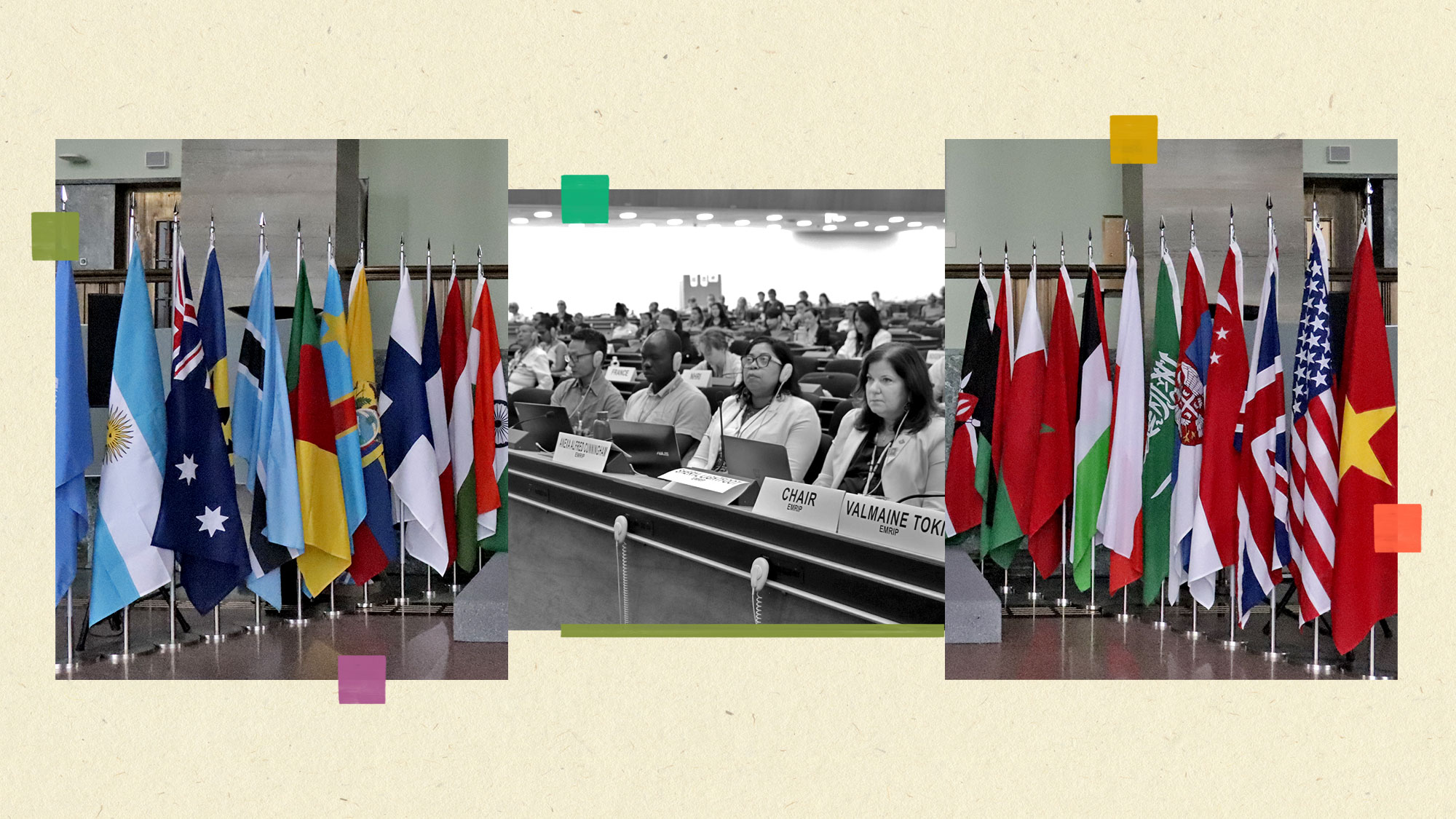
Indigenous leaders delivered a 12-point action plan to the United Nations outlining concrete steps to protect their communities, territories, and decision-making authority amid escalating climate impacts and resource conflicts.
The plan prioritizes legal recognition of Indigenous land rights and self-determination, emphasizing that Indigenous peoples manage roughly 80 percent of Earth's remaining biodiversity despite representing only 5 percent of the global population. Research consistently demonstrates that Indigenous-managed territories show lower deforestation rates and stronger ecosystem resilience than government-protected areas. The framework calls for mandatory consultation mechanisms before development projects affect Indigenous lands, along with direct funding for Indigenous-led conservation initiatives.
The proposal addresses climate adaptation, demanding that Indigenous knowledge systems receive equal weight alongside Western science in climate policy and resource management. It calls for increased participation of Indigenous representatives in international climate negotiations and national carbon reduction strategies. The plan also demands accountability for corporate and government actions that violate Indigenous rights, establishing enforcement mechanisms for existing protections that often remain unenforced.
Additional points address land restoration, food sovereignty, and cultural preservation. The framework specifically targets conflicts over mining, logging, and hydroelectric projects that routinely displace Indigenous communities. It calls for independent impact assessments and benefit-sharing agreements that give Indigenous peoples veto power over extractive projects on their territories.
The submission comes as climate change accelerates environmental pressures on Indigenous lands. Deforestation in the Amazon, driven by cattle ranching and illegal logging, has intensified conflicts over territorial control. Simultaneously, renewable energy projects intended to reduce emissions have sometimes encroached on Indigenous territories without adequate consultation.
UN officials indicated they will incorporate these recommendations into the International Decade of Indigenous Languages and ongoing climate policy discussions. The plan represents a strategic effort to shift from consultation-based models toward substantive governance roles for Indigenous peoples in global environmental decision-making. Implementation requires binding commitments from member states and mandatory accountability frameworks with enforcement power