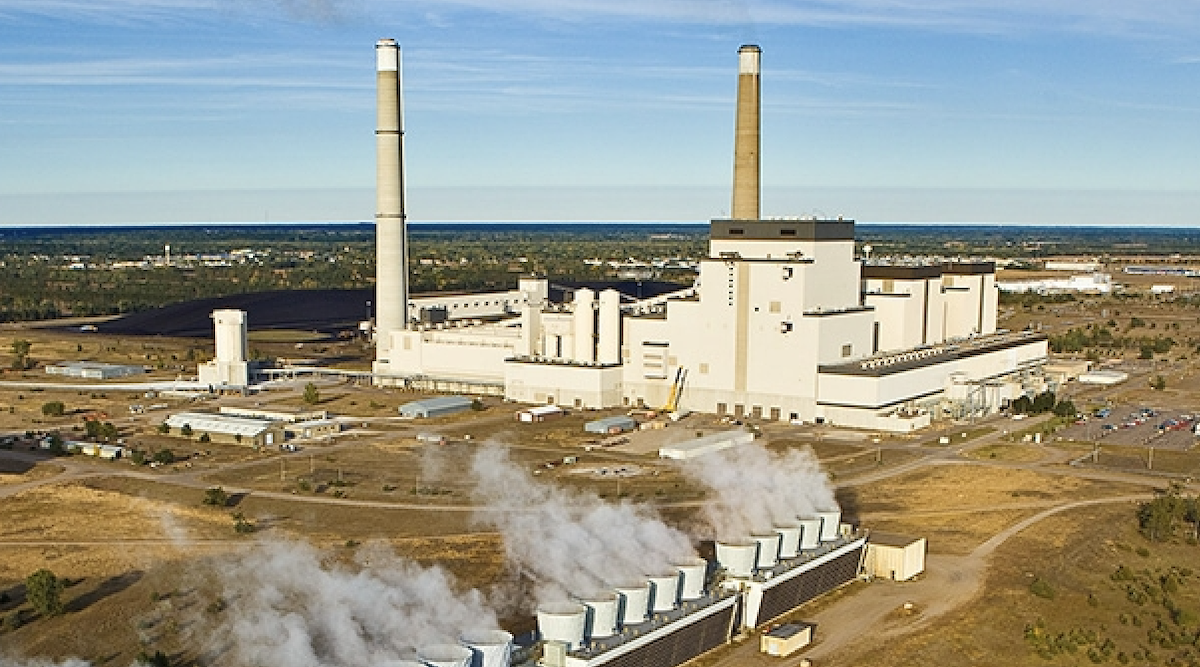
Sherco, a major coal power plant in Minnesota, is converting to solar generation and battery storage paired with expanded transmission capacity. The transition advances renewable energy infrastructure even as federal policy supports coal producers.
The facility's shift reflects broader market dynamics pushing utilities away from coal. Solar and battery technology costs have dropped sharply, making clean energy economically competitive with coal operations. Battery storage addresses the intermittency problem that historically limited solar deployment, while new transmission lines enable efficient distribution of clean power across regional grids.
Minnesota has positioned itself as a renewable energy hub. The state ranks among the top solar installers nationally and has set goals to transition its electricity supply toward carbon-free sources. Sherco's conversion exemplifies how existing power plant infrastructure can be repurposed rather than abandoned, preserving jobs while shifting the energy source.
The project operates within a complex political landscape. Federal policies currently favor fossil fuel producers through tax credits and subsidies. Yet state-level renewable energy standards and utility economics increasingly override these incentives. Grid operators and energy companies now factor in long-term carbon costs, supply chain reliability, and consumer demand for clean electricity.
Sherco's battery component proves particularly valuable. Grid-scale batteries store excess solar generation during peak production hours, releasing it during evening demand peaks. This storage capacity reduces reliance on fossil fuel peaker plants and stabilizes the grid during transitions away from coal.
The transmission investment enables Minnesota utilities to access solar resources from regions with higher solar irradiance and to trade clean energy with neighboring states. Regional transmission networks increasingly function as interstate renewable corridors, with states like Minnesota, Iowa, and North Dakota exchanging wind and solar power.
Sherco's conversion represents one of dozens of coal retirements underway across the United States. Coal plants that operated profitably for decades now face retirement as economic models shift. Utilities that previously spent decades amortizing coal infrastructure investments now find solar panels and