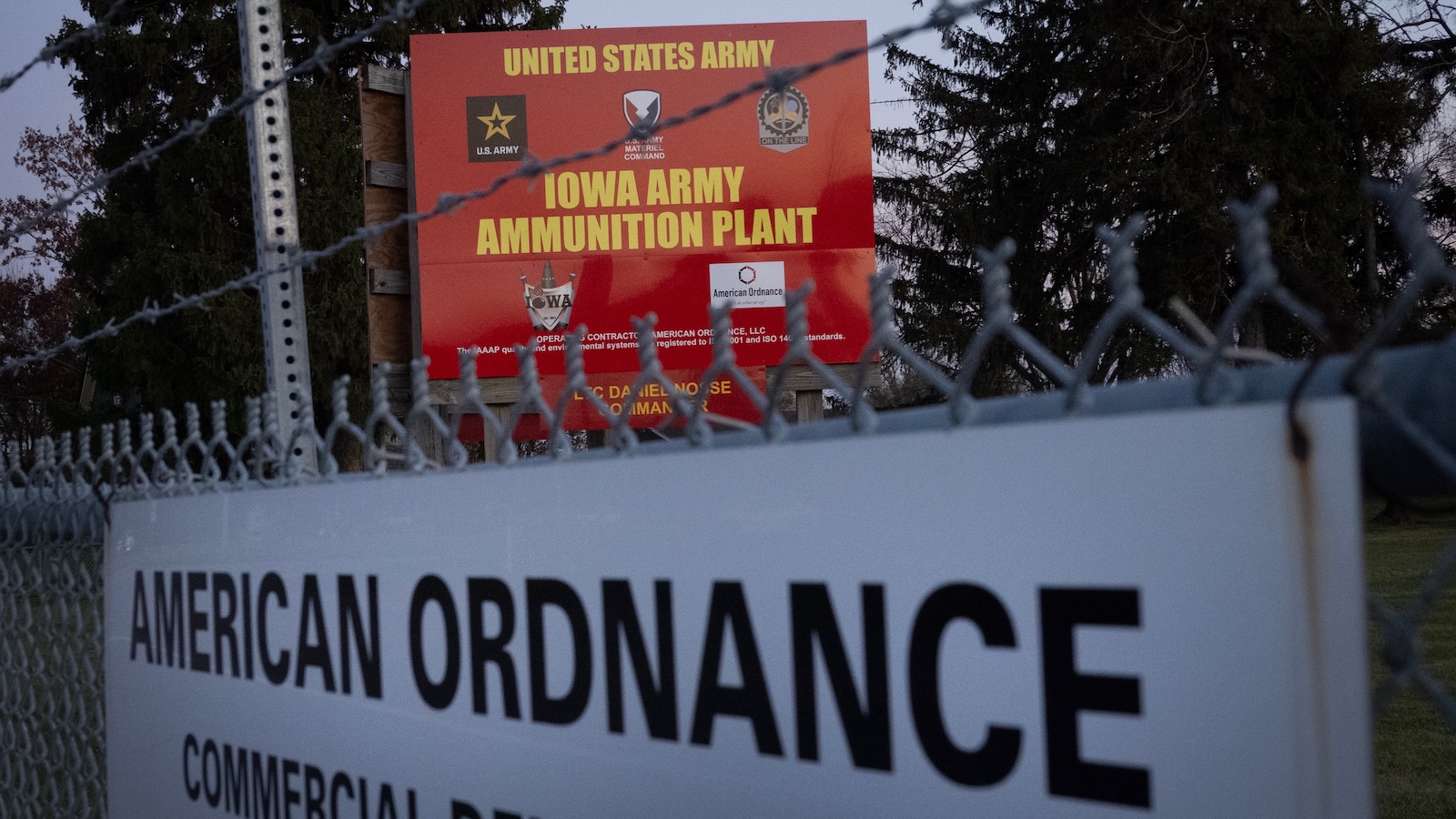
The U.S. Army detonated 68 drums containing approximately 9,700 pounds of lead azide on Wednesday morning at the Iowa Army Ammunition Plant in Middletown, Iowa. Army inspectors discovered in March that the decades-old material had crystallized and become unstable, posing a risk of spontaneous explosion from friction, vibration, or temperature changes.
The detonation occurred around 9 a.m. and produced two white plumes that dissipated quickly. More than an hour after the blast, the EPA's real-time air monitors detected no airborne lead throughout the region, according to state and federal officials. The operation followed an emergency permit issued by the EPA on November 16 and a federal appeals court ruling on Monday allowing the detonation to proceed.
This was the largest quantity of lead azide the Army has ever detonated. "We detonate all the time, but we have not detonated lead azide at this quantity," said Lori McFate, public affairs specialist with the Army Sustainment Command in Bettendorf, Iowa.
The plant sits about 160 miles southeast of Des Moines and 230 miles west of Chicago. The nearest communities are 10 miles to the west across the Mississippi River. The Army projected the plume would travel southwest, away from Illinois.
The operation faced opposition from Iowa Governor Kim Reynolds and other elected officials from both states. Environmental groups including Earthjustice sought unsuccessfully to halt the detonation through legal action.
Lead is a neurotoxin with no safe exposure level. The Department of Agriculture identified 350 farms in the projected plume path. Army and EPA crews are now collecting soil, water, and surface samples to determine where lead settled and whether cleanup is needed. Iowa agriculture officials are advising farmers to test soil and forage and monitor livestock for lead poisoning.