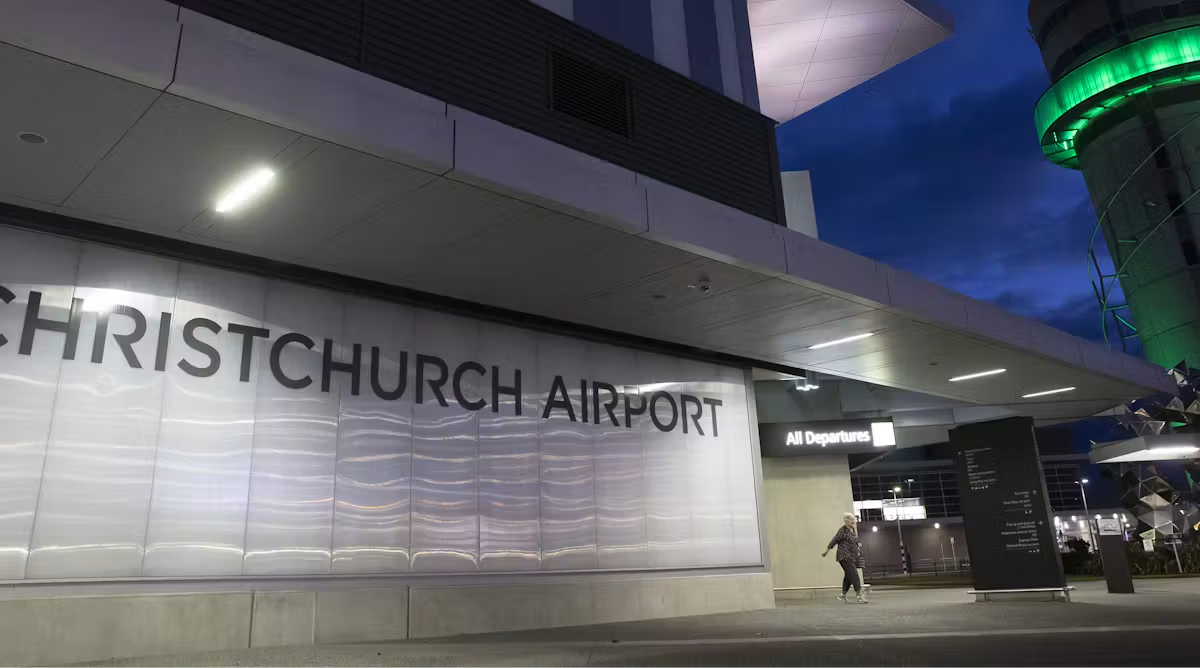
Air New Zealand resumed non-stop long-haul service from Christchurch Airport with a Singapore flight on October 28, followed by Tokyo service on November 28 and Perth service on November 30. A seasonal Bali service is planned for winter 2027. The airline's Singapore service will operate year-round.
Christchurch Airport expects international seat capacity to rise 21% this summer, with long-haul capacity increasing 54%. Air New Zealand's return to operating its own international aircraft from Christchurch gives the airline direct control over arrival and departure times, allowing it to align international schedules with regional domestic connections. The Singapore route adds a direct cargo link to Asian markets for exporters.
Whether these benefits will extend to smaller regional centers remains uncertain. Regional flights in New Zealand are expensive to operate because of low demand, shorter routes, and higher per-passenger costs of smaller aircraft.
Billie Moore, then chief executive of NZ Airports, warned in February about rising regional fares and falling seat numbers. According to the association, on routes where Jetstar competes with Air New Zealand, fares fell 4% and capacity increased 0.6% in the first half of 2026 compared to 2025. On routes without Jetstar competition, Air New Zealand fares rose 4.2% while available seats fell 4.2%. Air New Zealand said in February 2026 it does not consider the lack of competition in New Zealand aviation to be a problem.
The report suggests several steps could help Christchurch's expansion benefit the wider regional network: better coordination of international and regional services, targeted support for regional airports, a monitoring framework to track regional route performance, and a public service obligation model where governments subsidize airlines to maintain essential services on routes lacking commercial viability.