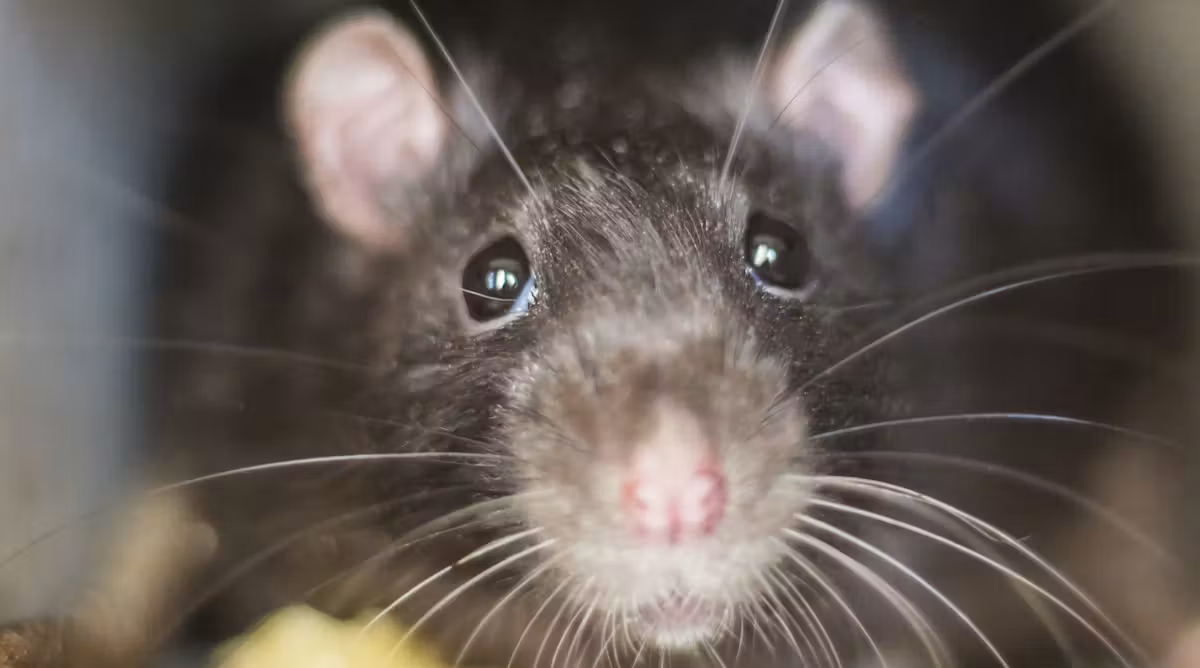
Researchers tested whether a marketing tactic used to influence human decisions could also persuade rats to enter traps. The study, published in The Journal of Applied Ecology, exposed wild black rats in Sydney bushland to a "phantom decoy" – an inaccessible container of peanut butter bait placed outside tunnel entrances.
Rats were 83% more likely to enter tunnels with basic food rewards when the inaccessible food was present outside. The effect did not occur when the same inaccessible food was placed inside the tunnel, nor was it simply due to extra food attracting more rats to the area. The researchers concluded that rats altered their perception of available options based on how choices were presented.
The study represents the first evidence that a phantom decoy effect, documented in human decision-making, influences trap-entry behavior in a wild mammal. Pest managers frequently encounter animals that investigate but refuse to enter traps. The researchers suggest adding a highly desirable but inaccessible food option outside trap entrances as a simple, inexpensive way to encourage entry. The approach requires no new trap design or technology.
The findings raise broader questions about decision-making biases in animals. The researchers note that understanding how animals make choices under uncertainty could unlock new ways to manage pest species and conserve threatened wildlife.