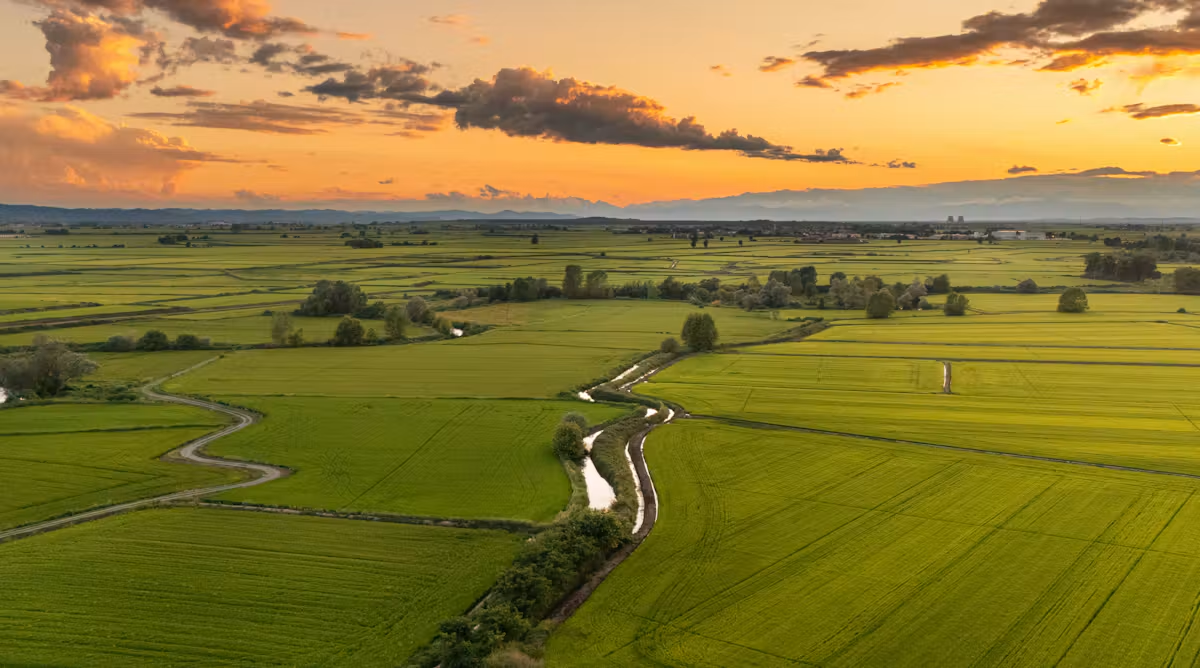
A computer simulation study estimates that widespread use of GLP-1 weight-loss medicines such as Ozempic and Wegovy could free up 32 million hectares of agricultural land by 2050 if used among adults living with obesity. This area is slightly larger than Italy.
The research, conducted by researchers at the University of Aberdeen and University of Edinburgh, modeled scenarios ranging from concentrated use in high-income countries to widespread global access. With widespread medicine use alone, reduced calorie intake could prevent up to 6.6 million deaths annually by 2050. When reduced calorie intake was combined with a shift toward healthier diets, the model showed up to 7 million deaths could be avoided each year by 2050, while approximately 46 million hectares of agricultural land would become available for other uses.
The study found that effects ripple through the global food system. Lower food demand from GLP-1 users could reduce prices worldwide, potentially encouraging greater consumption among non-users and offsetting some benefits. The researchers note that food systems are interconnected across countries, so demand changes in one region affect farming, trade, and prices elsewhere.
The authors argue against framing the findings as a case for widespread medication use. They note that obesity results from an environment where cheap, energy-dense foods are readily available and heavily marketed. The researchers suggest that GLP-1 medicines should work alongside broader changes to make healthier foods affordable and accessible, while reducing promotion of unhealthy options and reforming agricultural policy to support nutritious production.