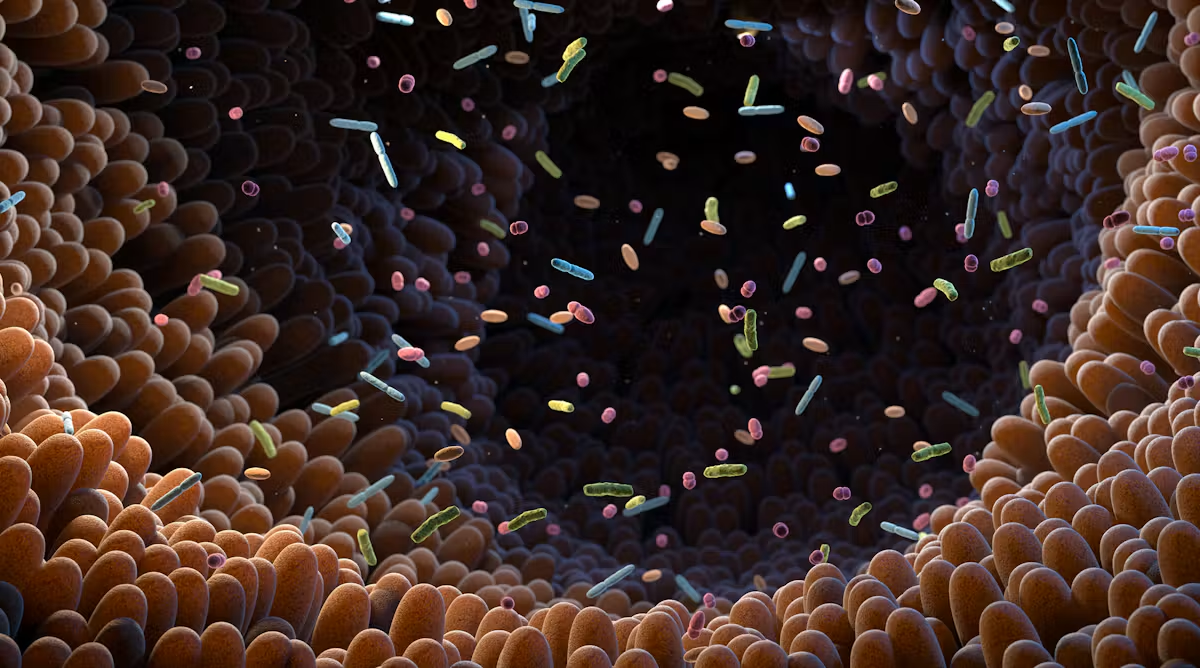
Gut bacteria use feeding time as a biological clock to control when the intestines absorb nutrients, according to research published in Cell Host & Microbe. The microbes metabolize phytate, a compound found in grains, beans, nuts and seeds, converting it into molecules that activate proteins in intestinal cells and trigger genes involved in nutrient transport.
In mice fed nutrient-poor diets, this microbial pathway promoted growth and health. The same mechanism worsened diet-induced obesity when mice consumed excess calories.
The research suggests gut microbes read food signals to align nutrient absorption with typical eating times, maximizing efficiency. Because food was historically scarce, this system likely evolved to help humans survive starvation. Today, when calories are abundant, the same pathway can promote excess fat uptake and obesity.
The findings indicate that disruption of daily biological rhythms, such as through jet lag or night-shift work, affects how well the intestine absorbs and processes nutrients. Light is one timekeeper of the body's 24-hour cycles, but feeding patterns also influence this system through the microbiome.