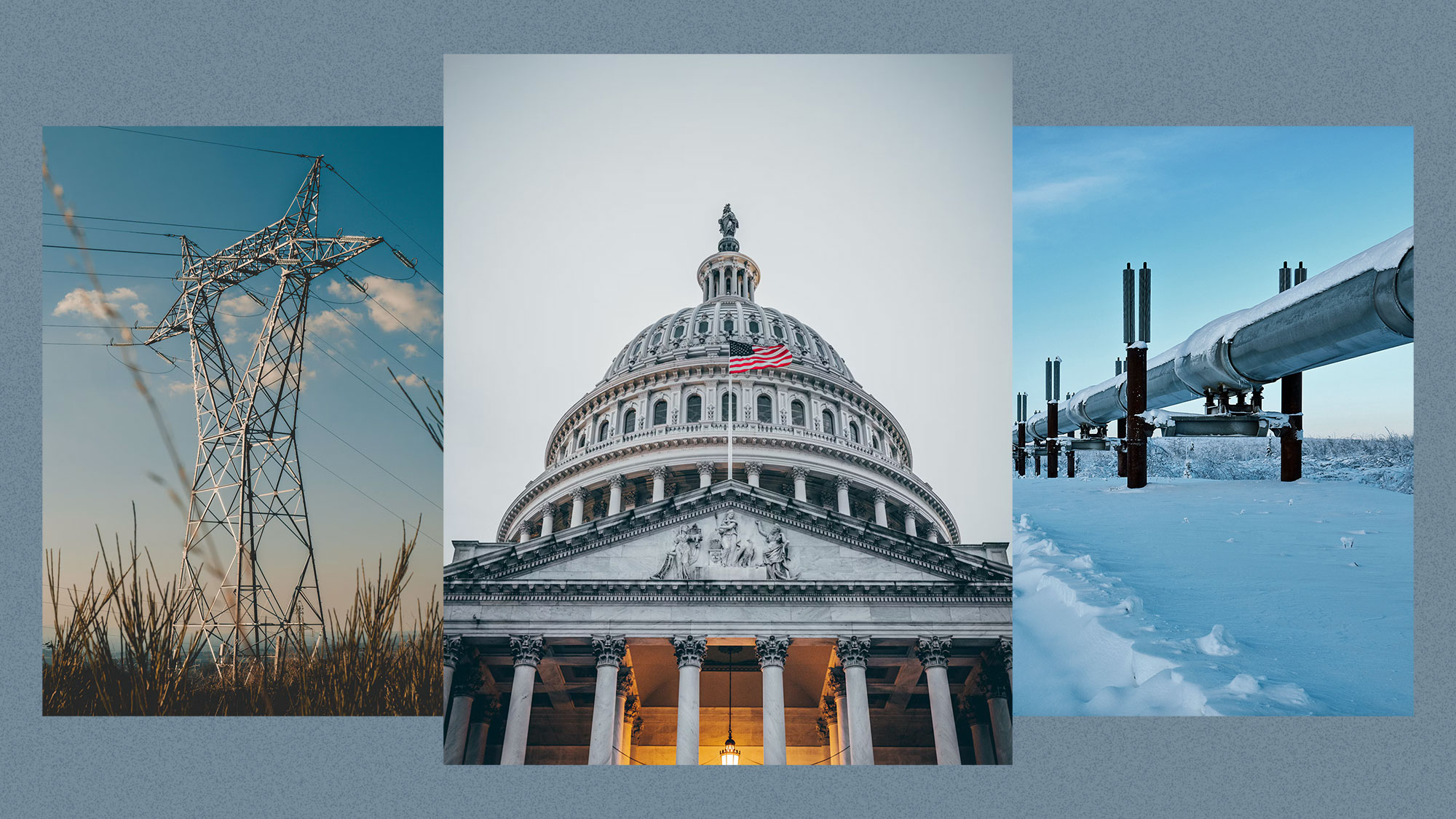
The Senate is considering the Bipartisan American Affordability and Jobs Act, which would streamline federal permitting for infrastructure projects, including renewable energy installations and transmission lines. The bill would speed up environmental reviews required by the National Environmental Policy Act of 1969, narrow the impacts agencies must assess, restrict who can sue over permitting decisions, and shorten lawsuit deadlines.
The SunZia wind farm and transmission line in New Mexico took two decades to build, with its transmission line facing opposition from birders, the military, and tribes. Tribes' concerns about impacts on historic sites led to unresolved court battles even after the line's completion in June.
The bill contains provisions specifically for the power grid. It would give the federal government authority to override states blocking interstate power lines and require regional grid operators to approve lines that improve reliability and affordability. The bill would also prevent states from using the Clean Water Act to block power lines or pipelines crossing waterways unless they directly discharge into the water.
Supporters, including clean energy companies and climate-conscious senators, argue the bill is necessary because transmission construction has slowed despite growing importance. Critics say it could disempower communities, tribes, and environmental groups, while also speeding fossil fuel infrastructure.
Rhodium Group projects natural gas pipelines would continue at their current pace while renewable energy deployment would accelerate due to faster permitting and expanded transmission. Rhodium's modeling finds a modest emissions reduction even if natural gas prices drop more than renewables.
The bill could lower electricity costs slightly over the next 15 years by making it easier to move cheap power between regions. Households and businesses would likely find it easier to sell electricity from rooftop solar and batteries onto the grid. The bill would need to pass the House and receive the president's signature to become law.