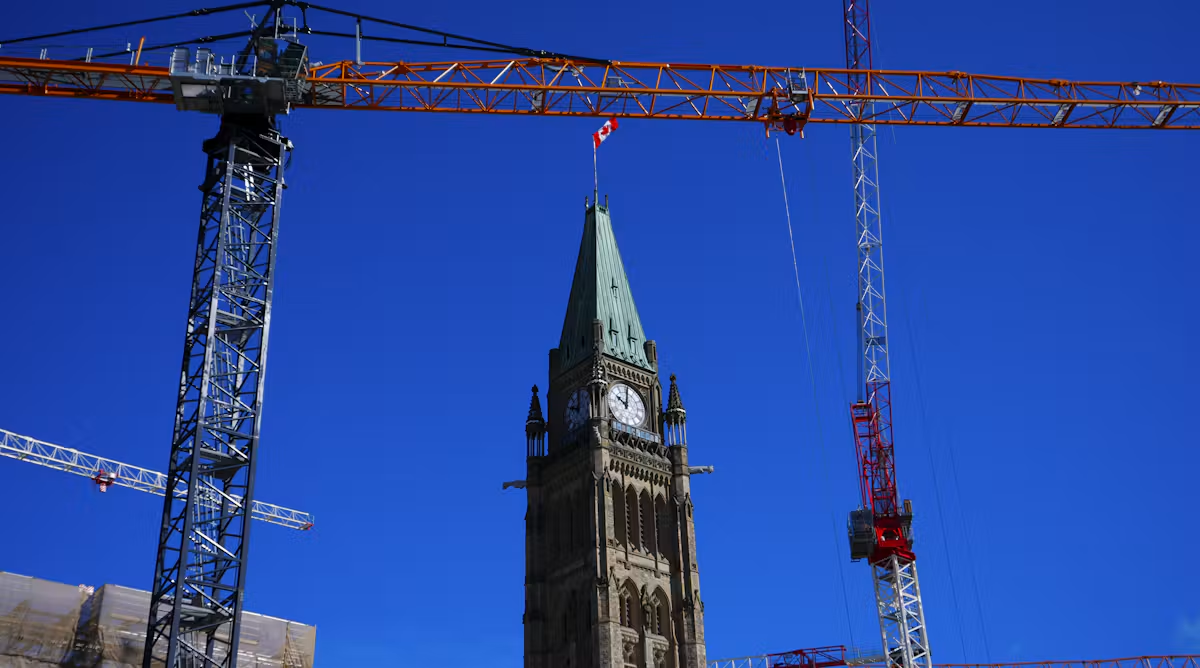
Protests took place across Canada against Bill C-39, the Building Canada Strong Act, introduced by the Canadian government in September 2026. The bill aims to fast-track large-scale projects by creating "federal economic zones" where projects could be "pre-approved" with exceptions to habitat and species-at-risk protections and other federal oversight.
The government states the bill protects "economic security." It compresses environmental review timelines to one year, allowing quick approval decisions. However, the bill permits preliminary construction to begin before the Impact Assessment Agency of Canada completes its assessment if the environment minister considers a project in the "public interest."
The shortened timeline concerns critics who say it could allow environmental degradation and weakened habitat protection before full assessment is complete. The Nishnawbe Aski Nation stated they "will not accept this legislation as it stands," noting that many proposed projects are situated on or near First Nations territories.
Bill C-39 also modifies the Fisheries Act to introduce "habitat credits" and fees for minor impacts. Companies that damage fish habitat during construction could buy habitat restoration credits from approved conservation groups instead of performing restoration themselves. Supporters argue this could fund larger habitat restoration projects while reducing red tape. Critics worry it makes habitat damage a cost of doing business rather than preventing it.
In October 2024, the government released a framework linking environmental protection to human health under the Canadian Environmental Protection Act. The report states that effective environmental regulations reduce exposure to polluted air, contaminated water, toxic chemicals and climate-related hazards, preventing disease and reducing health-care costs.